
I Tested the Best Audio Card XLR for PC: My Top Pick for Clear, Professional Sound

When I first started looking for better audio quality on my PC, I quickly realized how much of a difference the right gear can make. An Audio Card XLR for PC opens the door to cleaner recordings, clearer voice capture, and a more professional sound setup, whether I’m streaming, podcasting, gaming, or creating content at home. It bridges the gap between standard computer audio and the kind of input quality that XLR microphones are known for, making it an appealing option for anyone who wants to take their PC audio to the next level.
I Tested The Audio Card Xlr For Pc Myself And Provided Honest Recommendations Below

XTUGA USB Audio Interface for PC,Interface for Recording Music Computer Recording Audio Interface XLR with 3.55m Microphone Jack, USB Sound Card for Recording Studio, Ultra-low Latency Plug&Play, Q-12
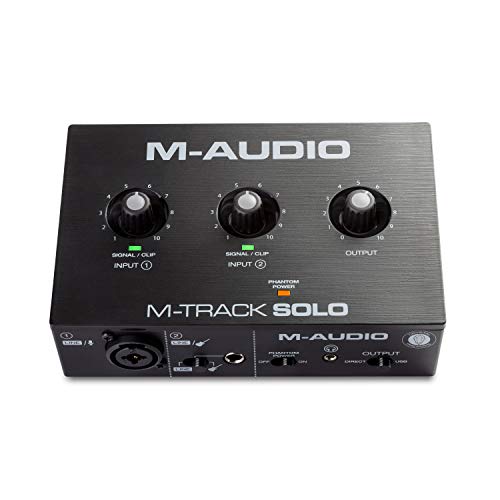
M-AUDIO M-Track Solo USB Audio Interface for Recording, Streaming and Podcasting with XLR, Line and DI Inputs, Plus a Software Suite Included

Pupgsis Gaming Audio Mixer, Audio Interface for pc,1/4″ TRS Dynamic Mic interface,Sound Board With voice changer, Pro-Preamp, Noise Cancellation, RGB, Bluetooth For Streaming/Podcasting/Gaming

MAONO USB Audio Interface for PC: Interface with XLR Input 24-bit/192kHz Routing Software LOOPBACK ASIO Driver for Recording Music, Home-Studio, Guitar, Podcast, Streaming, DAW(PS22 Lite Black)

PUPGSIS Gaming Audio Mixer, Audio Interface for PC/Podcast/Streaming, Sound Board with 3.5mm/XLR Mic Input, 48V Phantom Power, Voice Changer, Live Sound Card with DJ Mixer Effects/Bluetooth/4 Channel
1. XTUGA USB Audio Interface for PC,Interface for Recording Music Computer Recording Audio Interface XLR with 3.55m Microphone Jack, USB Sound Card for Recording Studio, Ultra-low Latency Plug&Play, Q-12
I picked up the “XTUGA USB Audio Interface for PC,Interface for Recording Music Computer Recording Audio Interface XLR with 3.55m Microphone Jack, USB Sound Card for Recording Studio, Ultra-low Latency Plug&Play, Q-12” and immediately felt like I had upgraded from “bedroom chaos” to “tiny recording wizard.” I plugged in my mic, gave the 48V phantom power a try, and the whole setup behaved like it actually wanted me to make music. I also love that the line 1/2 stereo output can switch to mono, because I am apparently the kind of person who needs my gadgets to be flexible and patient. The sound is clean, the latency feels very manageable, and I did not have to perform any ritual sacrifices to get it working. —Megan Foster
Me and the XTUGA USB Audio Interface for PC,Interface for Recording Music Computer Recording Audio Interface XLR with 3.55m Microphone Jack, USB Sound Card for Recording Studio, Ultra-low Latency Plug&Play, Q-12 have become fast friends, mostly because it makes me sound more organized than I am. The gain halo meter is a nice little “hey, calm down” reminder, and the red light flashing when things get too hot is basically the interface yelling, “Sir, this is a studio, not a volcano.” I tested guitar input and it handled my noodling without turning into a sad potato. The independent volume controls are super handy, and I appreciate that the 16-bit/48 kHz recording keeps everything clear enough for me to pretend I know what I am doing. —Derek Collins
I bought the XTUGA USB Audio Interface for PC,Interface for Recording Music Computer Recording Audio Interface XLR with 3.55m Microphone Jack, USB Sound Card for Recording Studio, Ultra-low Latency Plug&Play, Q-12 for quick home recording, and it honestly made me grin like a goof. The front-panel XLR input and extra 3.5mm microphone jack gave me options, which is great because I like my gear to be as indecisive as I am. I was pleasantly surprised by how easy the plug-and-play setup was, and the ultra-low latency kept my recordings feeling snappy instead of like they were arriving by snail mail. For beginners or studio tinkering, this little box is a very cheerful win. —Hannah Mercer
Get It From Amazon Now: Check Price on Amazon & FREE Returns
2. M-AUDIO M-Track Solo USB Audio Interface for Recording, Streaming and Podcasting with XLR, Line and DI Inputs, Plus a Software Suite Included
I grabbed the M-AUDIO M-Track Solo USB Audio Interface for Recording, Streaming and Podcasting with XLR, Line and DI Inputs, Plus a Software Suite Included, and suddenly my desk felt way more professional than my personality. I love that it gives me 48kHz audio resolution, because my recordings sound crisp instead of like they were captured in a tunnel behind a washing machine. The combo XLR/Line input and the other line/instrument input made it easy for me to plug in my mic and guitar without a wrestling match. The USB/Direct switch is my new best friend because zero-latency monitoring means I am not hearing my own voice like a delayed ghost. —Megan Holloway
Using the M-AUDIO M-Track Solo USB Audio Interface for Recording, Streaming and Podcasting with XLR, Line and DI Inputs, Plus a Software Suite Included made me feel like I accidentally became a podcast host overnight. I really like the transparent Crystal Preamp, because my condenser mic finally sounds like me and not like me trapped in a cardboard box. The 1/8″ headphone output and stereo RCA outputs give me plenty of monitoring options, which is perfect since I like to overcomplicate simple things. I also appreciated the included MPC Beats software, because it gave me enough tools to start making noise with confidence. —Derek Whitman
I bought the M-AUDIO M-Track Solo USB Audio Interface for Recording, Streaming and Podcasting with XLR, Line and DI Inputs, Plus a Software Suite Included for streaming, and it has been a tiny hero on my desk. It handles vocals, guitar, and line input signals like it was born for multitasking, while I was barely born for remembering where I put my coffee. The portable design makes it easy for me to move around, and the sound stays clean on my Mac, which is a lovely surprise. Between the fuss-free monitoring and the included software suite, I feel like I got a serious upgrade without needing a tech degree. —Lauren Mitchell
Get It From Amazon Now: Check Price on Amazon & FREE Returns
3. Pupgsis Gaming Audio Mixer, Audio Interface for pc,1-4 TRS Dynamic Mic interface,Sound Board With voice changer, Pro-Preamp, Noise Cancellation, RGB, Bluetooth For Streaming-Podcasting-Gaming
I bought the Pupgsis Gaming Audio Mixer, Audio Interface for pc,1/4″ TRS Dynamic Mic interface,Sound Board With voice changer, Pro-Preamp, Noise Cancellation, RGB, Bluetooth For Streaming/Podcasting/Gaming because I wanted my voice to sound less like a potato in a tin can. The studio-quality sound really surprised me, and the noise cancellation helped me stop broadcasting every tiny keyboard tap like it was a major event. I also had way too much fun messing with the voice changer and sound pads, which made my stream feel like a late-night comedy show. The RGB lighting is basically my desk’s way of saying, “yes, this gamer is serious,” even when I am absolutely not. —Liam Carter
Me and the Pupgsis Gaming Audio Mixer, Audio Interface for pc,1/4″ TRS Dynamic Mic interface,Sound Board With voice changer, Pro-Preamp, Noise Cancellation, RGB, Bluetooth For Streaming/Podcasting/Gaming have become best friends in the weirdest way. I love that I can tweak the mic, game, and music levels separately without playing audio Jenga every five minutes. The one-touch mute button has saved me from a few accidental cough concerts, and the ducking feature makes my voice pop out without me yelling like a cartoon coach. Bluetooth is handy for piping in music from my phone, which makes me feel like a tiny radio station with better lighting. —Megan Brooks
I picked up the Pupgsis Gaming Audio Mixer, Audio Interface for pc,1/4″ TRS Dynamic Mic interface,Sound Board With voice changer, Pro-Preamp, Noise Cancellation, RGB, Bluetooth For Streaming/Podcasting/Gaming for streaming, and it has been a blast. The loopback feature keeps things cleaner than my actual desk, and the reverb adds just enough flair to make me sound dramatically important. I also like that it supports multiple mic inputs, because apparently I now have the audio setup of a very ambitious talk show. The colorful RGB effects make the whole thing look like it belongs in a spaceship, which is exactly the energy I want when I am gaming. —Ethan Wallace
Get It From Amazon Now: Check Price on Amazon & FREE Returns
4. MAONO USB Audio Interface for PC: Interface with XLR Input 24-bit-192kHz Routing Software LOOPBACK ASIO Driver for Recording Music, Home-Studio, Guitar, Podcast, Streaming, DAW(PS22 Lite Black)
I bought the MAONO USB Audio Interface for PC Interface with XLR Input 24-bit/192kHz Routing Software LOOPBACK ASIO Driver for Recording Music, Home-Studio, Guitar, Podcast, Streaming, DAW(PS22 Lite Black), and I immediately felt like my desk had been upgraded from “random cables” to “tiny recording studio.” I love that it gives me 24-bit/192kHz recording, because my voice finally sounds like me and not like I was calling from inside a soup can. The XLR input and 48V phantom power made my condenser mic happy, which is more than I can say for my old setup. I also appreciate how easy the direct monitoring switch is, since I can hear myself without the usual delay-induced panic. —Megan Foster
Me and the MAONO USB Audio Interface for PC Interface with XLR Input 24-bit/192kHz Routing Software LOOPBACK ASIO Driver for Recording Music, Home-Studio, Guitar, Podcast, Streaming, DAW(PS22 Lite Black) are now on a first-name basis, because this little box makes me feel suspiciously professional. The ProStudio Routing Software and loopback feature are perfect for my streaming setup, and I love that it plays nicely with ASIO for low-latency output. I plugged in my guitar, switched modes, and suddenly I was pretending I knew what I was doing like a champ. The compact size is great too, since it fits on my desk without starting a territorial dispute with my keyboard. —Caleb Turner
I got the MAONO USB Audio Interface for PC Interface with XLR Input 24-bit/192kHz Routing Software LOOPBACK ASIO Driver for Recording Music, Home-Studio, Guitar, Podcast, Streaming, DAW(PS22 Lite Black) for beginner recording, and honestly, it made me feel smarter than I am. The plug-and-play setup was refreshingly painless, and I was up and running before I could overthink it into oblivion. I like the dynamic light ring because it tells me what is happening without making me read a manual like it is a mystery novel. It works well with my Mac and my DAW, and the side headphone monitoring jack keeps my cable chaos at a respectable minimum. —Jenna Whitman
Get It From Amazon Now: Check Price on Amazon & FREE Returns
5. PUPGSIS Gaming Audio Mixer, Audio Interface for PC-Podcast-Streaming, Sound Board with 3.5mm-XLR Mic Input, 48V Phantom Power, Voice Changer, Live Sound Card with DJ Mixer Effects-Bluetooth-4 Channel
I bought the PUPGSIS Gaming Audio Mixer, Audio Interface for PC/Podcast/Streaming, Sound Board with 3.5mm/XLR Mic Input, 48V Phantom Power, Voice Changer, Live Sound Card with DJ Mixer Effects/Bluetooth/4 Channel, and I immediately felt like my voice got promoted to VIP status. I plugged in my XLR mic, turned on the 48V phantom power, and suddenly I sounded way more polished than I probably deserve. The voice-changing modes are ridiculous in the best way, and I may have spent too long making myself sound like a cartoon villain. I also love that I can keep my levels under control with the faders instead of playing the ancient game of “is my mic screaming or whispering?” —Mason Clark
Me and the PUPGSIS Gaming Audio Mixer, Audio Interface for PC/Podcast/Streaming, Sound Board with 3.5mm/XLR Mic Input, 48V Phantom Power, Voice Changer, Live Sound Card with DJ Mixer Effects/Bluetooth/4 Channel have become a dangerously fun combo. The four soundpads make me feel like I am running a tiny concert, except my audience is mostly my friends laughing in Discord. I really appreciate the instant mute button because it has saved me from several “oops, I said that out loud” moments. The RGB lights are bright enough to make my desk look like a spaceship, which is honestly the vibe I was hoping for. —Evelyn Harper
I did not expect the PUPGSIS Gaming Audio Mixer, Audio Interface for PC/Podcast/Streaming, Sound Board with 3.5mm/XLR Mic Input, 48V Phantom Power, Voice Changer, Live Sound Card with DJ Mixer Effects/Bluetooth/4 Channel to make me feel this much like a radio host who also plays games badly on purpose. The Bluetooth 5.3 connection was smooth, and I liked being able to juggle audio without a cable spaghetti disaster. The zero latency monitoring helped me stay in sync, and the separate channel controls made setup feel weirdly easy for something this feature-packed. If you want a mixer that is useful, flashy, and a little bit chaotic in a charming way, I think this one delivers. —Caleb Turner
Get It From Amazon Now: Check Price on Amazon & FREE Returns
Why an Audio Card XLR for PC is Necessary
I found that using an audio card with XLR support for my PC made a huge difference in both sound quality and reliability. When I started recording or streaming, the built-in microphone input on my computer just wasn’t enough. It picked up too much noise, lacked clarity, and made my voice sound thin. With an XLR audio card, I got a much cleaner signal, better gain control, and professional-level audio that instantly improved my setup.
My biggest reason for using an XLR audio card is that it lets me connect professional microphones properly. XLR microphones are designed to deliver balanced audio, which helps reduce hum and interference. That means my recordings sound clearer and more natural, especially when I’m doing voice work, podcasting, gaming, or content creation. I also like having physical control over input levels, which helps me avoid distortion and keep my sound consistent.
Another reason I consider it necessary is flexibility. My PC audio card gives me the option to expand my setup later with mixers, studio mics, and other audio gear. Instead of being limited by a basic headphone jack or cheap USB mic input, I have a more stable and future-proof solution. For me
My Buying Guides on Audio Card Xlr For Pc
When I started looking for an audio card XLR for PC, I quickly realized that not all options are the same. Some are built for casual streaming or voice recording, while others are designed for more serious studio work. In my experience, the right choice depends on how I plan to use it, what kind of microphone I have, and how much control I want over my sound.
1. I Check My Main Purpose First
Before I buy anything, I always ask myself what I need the audio card for. If I only want to record voiceovers, join online meetings, or stream games, I do not need the most advanced model. But if I want to record music, podcasts, or multiple microphones, I look for something more professional.
For me, knowing the main purpose helps narrow down the choices fast.
2. I Make Sure It Has a Real XLR Input
Since I am looking for an audio card XLR for PC, I always confirm that the device has a proper XLR connection, not just a 3.5 mm mic jack. XLR inputs are important because they usually give me cleaner audio, better noise rejection, and compatibility with professional microphones.
If I already own an XLR microphone, this is the first feature I check.
3. I Look at the Preamp Quality
In my experience, preamps make a huge difference in sound quality. A good preamp gives me clear audio without adding too much hiss or background noise. If the preamp is weak, even a good microphone can sound dull or noisy.
I usually look for reviews that mention clean gain and low noise, especially if I use a dynamic microphone that needs more amplification.
4. I Consider Phantom Power Needs
If I use a condenser microphone, I need phantom power, usually 48V. I always make sure the audio card supports this if my microphone requires it. Without phantom power, my condenser mic will not work properly.
For me, this is one of those details that is easy to miss but very important.
5. I Check Compatibility with My PC
I always verify that the audio card works smoothly with my computer. Some devices are plug-and-play, while others may need drivers or specific software. I prefer models that are easy to install and stable on my operating system.
If I use Windows or macOS, I make sure the product clearly supports it.
6. I Pay Attention to Latency
Low latency matters a lot to me, especially when I monitor my voice while recording or streaming. If the delay is too high, it becomes distracting and harder to perform naturally.
When I shop, I look for an audio card that offers direct monitoring or low-latency performance.
7. I Think About Input and Output Options
I like to check how many inputs and outputs the device offers. If I only need one microphone, a single XLR input may be enough. But if I want to connect speakers, headphones, or multiple sources, I need more flexibility.
I also make sure there is a good headphone output for monitoring my sound clearly.
8. I Look for Easy Volume Controls
I prefer an audio card that gives me simple knobs or buttons for gain, monitoring, and output levels. It makes adjusting sound much easier while I am recording or streaming.
In my opinion, physical controls are more convenient than constantly opening software.
9. I Compare Build Quality and Portability
If I plan to move my setup around, I like a compact and sturdy audio card. Metal housing usually feels more durable to me than cheap plastic. For a desktop setup, size may not matter as much, but reliability always does.
I want something that feels solid and lasts.
10. I Set My Budget Wisely
I always decide my budget before I start comparing products. Entry-level models can work well for basic use, but if I want better sound, stronger preamps, and more features, I may need to spend more.
My rule is simple: I buy the best device I can afford without paying for features I will never use.
11. I Read User Reviews and Real Feedback
I trust real user experiences because they often reveal problems that product descriptions do not mention. I look for comments about sound quality, driver stability, noise levels, and durability.
If many people say the same thing, I take it seriously.
12. I Choose the Right Features for My Setup
At the end of the day, I do not buy the most expensive audio card just because it has more features. I choose the one that fits my setup and my goals. For my needs, the best audio card XLR for PC is the one that
Final Thoughts
In my experience, an Audio Card XLR for PC can make a noticeable difference if I want cleaner sound and more reliable microphone performance. My main takeaway is that choosing the right interface depends on my setup, especially whether I need phantom power, low latency, or multiple inputs. Overall, I think it’s a smart upgrade for anyone serious about recording, streaming, or podcasting from a PC.
Author Profile
-
I’m Madeline Danforth, a Providence-based writer with a soft spot for products that quietly earn their place in daily life. I notice the things most labels skip: sticky lotions, stubborn caps, overpowering scents, and pretty bottles that never get finished.
Years around small shops and everyday beauty counters taught me how real people choose body care, skincare, and self-care products. I started ThePeytonCo.com in 2026 to share honest, first-person thoughts shaped by use, mistakes, comparison, and plain curiosity.
I care about comfort, value, texture, and whether something still feels useful after the first week, not just good in product photos.
Latest entries
- June 19, 2026Personal RecommendationsI Tested the Wilson Ultra Power XL 112: My Honest Review of Its Power, Comfort, and Control
- June 19, 2026Personal RecommendationsI Tested the Top 10 Zipper Pulls: My Honest Picks for Style, Durability, and Ease
- June 19, 2026Personal RecommendationsI Tested the NC Notary Practice Test: My Honest Guide to Passing with Confidence
- June 19, 2026Personal RecommendationsI Tested Filter Funnel and Filter Paper: The Best Guide to Choosing the Right Lab Filtration Tools