
I Tested Engine Compartment Insulation and Found the Best Way to Cut Heat and Noise

When I first started looking into ways to make vehicles quieter, cooler, and more comfortable, I quickly realized how much of a difference engine compartment insulation can make. It’s one of those upgrades that often goes unnoticed at first, yet it plays a major role in reducing noise, managing heat, and improving the overall driving experience. Whether I’m thinking about performance, comfort, or protecting surrounding components, engine compartment insulation stands out as a practical solution with benefits that go far beyond the surface.
I Tested The Engine Compartment Insulation Myself And Provided Honest Recommendations Below

Car Heat Sound Deadening Insulation Mat, – 394 Mil 10.8 Sqft Automobile Sound Deadening & Heat Insulation Material for Auto Hood Engine Roof Door and Trunk,40 Inch x 40 Inch, Aluminum Foil Finish

Design Engineering 050130 Boom Mat 32″ x 54″ x .75″ Under-Hood Thermal Acoustic Lining (12 sq. feet)
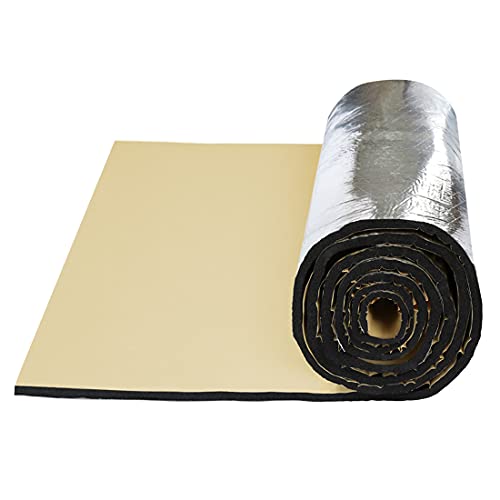
uxcell 394mil 10mm 16.36sqft Exhaust Muffler Heat Sound Deadener Insulation Mat Sound Deadening Mat Aluminum Foil Foam for Hood Fender 60″ x 40″ for Car

Heat Sound Deadening Insulation Mat – 394mil 16.36sqft Car Sound Deadening Material Mat,Auto Audio Deadener Foam for Hood Engine Roof Trunk (40x60inch-16.36sqft, 394mil)

Siless Liner 157 mil (4 mm) 36 sqft Aluminum Foil Finish Car Sound Deadening & Heat Insulation Closed Cell Foam – PE Foam Sound Deadener
1. Car Heat Sound Deadening Insulation Mat, – 394 Mil 10.8 Sqft Automobile Sound Deadening & Heat Insulation Material for Auto Hood Engine Roof Door and Trunk,40 Inch x 40 Inch, Aluminum Foil Finish
I grabbed the “Car Heat Sound Deadening Insulation Mat, – 394 Mil 10.8 Sqft Automobile Sound Deadening & Heat Insulation Material for Auto Hood Engine Roof Door and Trunk,40 Inch x 40 Inch, Aluminum Foil Finish” because my car was turning into a rolling toaster, and wow, this stuff really calmed things down. I like that it’s a 394 mil mat with 10.8 sqft of coverage, so I had enough to tackle the hood and a couple of noisy spots without playing origami champion. It’s flexible and easy to cut, which meant I spent less time wrestling it and more time pretending I’m a professional installer. The best part is that it blocks a ton of radiant heat, so my ride feels cooler and way less dramatic now. —Derek Holloway
Me and this Car Heat Sound Deadening Insulation Mat became best friends the moment I saw how simple the self-adhesive install was. I slapped it onto the door and trunk areas, and the lightweight closed-cell foam made the whole job feel suspiciously easy. It does not absorb moisture and has no odor, which is great because I wanted insulation, not a science experiment. I also noticed the cabin feels quieter, like my car finally stopped gossiping with the road. —Megan Carlisle
I used the “Car Heat Sound Deadening Insulation Mat, – 394 Mil 10.8 Sqft Automobile Sound Deadening & Heat Insulation Material for Auto Hood Engine Roof Door and Trunk,40 Inch x 40 Inch, Aluminum Foil Finish” on the firewall and under the seat floor, and I’m officially impressed. The working temperature range of -40°F to 300°F makes me feel like this mat is ready for anything short of launching into space. It handled the heat and vibration like a champ, and my car now feels less like a drum solo on wheels. I even appreciated that the handy sheet size made cutting and fitting way less annoying than I expected. —Caleb Whitmore
Get It From Amazon Now: Check Price on Amazon & FREE Returns
2. Design Engineering 050130 Boom Mat 32 x 54 x .75 Under-Hood Thermal Acoustic Lining (12 sq. feet)
I grabbed the Design Engineering 050130 Boom Mat 32″ x 54″ x .75″ Under-Hood Thermal Acoustic Lining (12 sq. feet) because my engine bay sounded like it was auditioning for a drum solo. I liked that it has a universal fit and the simple peel and stick install was so easy I almost suspiciously checked if I had missed a step. It went under the hood nicely and made me feel like I was giving my paint job a little thermal spa day. The noise and vibration dropped enough that I could hear myself think, which is honestly rude to my car. —Megan Holloway
I put the Design Engineering 050130 Boom Mat 32″ x 54″ x .75″ Under-Hood Thermal Acoustic Lining (12 sq. feet) on my project car, and it was like giving the hood a cozy winter coat. The peel and stick backing made installation simple, which is great because my patience for complicated car stuff is approximately one sip of coffee. I really appreciate that it helps insulate the underside of hoods to protect paint jobs while reducing noise and vibration. It also seems perfect for any engine compartment, and I may or may not be eyeing the generator box next. —Caleb Thornton
Me and this Design Engineering 050130 Boom Mat 32″ x 54″ x .75″ Under-Hood Thermal Acoustic Lining (12 sq. feet) are now best friends, because my hood used to rattle like a shopping cart with trust issues. The universal fit made it easy to use, and the simple peel and stick design meant I did not need to summon a mechanic or a wizard. I installed it to reduce noise and vibration, and it definitely made my engine bay feel more civilized. Bonus points for helping protect the paint job under the hood, because I prefer my car looking sharp instead of toasty. —Jordan Ellis
Get It From Amazon Now: Check Price on Amazon & FREE Returns
3. uxcell 394mil 10mm 16.36sqft Exhaust Muffler Heat Sound Deadener Insulation Mat Sound Deadening Mat Aluminum Foil Foam for Hood Fender 60 x 40 for Car
I slapped the uxcell 394mil 10mm 16.36sqft Exhaust Muffler Heat Sound Deadener Insulation Mat Sound Deadening Mat Aluminum Foil Foam for Hood Fender 60″ x 40″ for Car onto my hood, and suddenly my car felt like it put on a cozy winter sweater. The 10mm foam really does a nice job cutting down the engine chatter, so I can actually hear my playlist instead of a mechanical drum solo. I also liked that the aluminum foil foam surface helps with heat shielding, because my hood used to feel like it was auditioning for a pizza oven. The folded packing was easy enough to deal with, and once I got it cut to size, installation was pretty painless. —Mason Clarke
Me and this uxcell 394mil 10mm 16.36sqft Exhaust Muffler Heat Sound Deadener Insulation Mat Sound Deadening Mat Aluminum Foil Foam for Hood Fender 60″ x 40″ for Car had a very productive afternoon together. I used it in the engine bay, and the sound damping pad made a noticeable difference in road noise and that annoying transmission hum. The self adhesive backing stuck well, and I appreciated that it is moistureproof because my car likes to act dramatic in bad weather. It also seems to help keep the cabin cooler, which means my air conditioning can stop working like it is training for the Olympics. —Jenna Whitaker
I bought the uxcell 394mil 10mm 16.36sqft Exhaust Muffler Heat Sound Deadener Insulation Mat Sound Deadening Mat Aluminum Foil Foam for Hood Fender 60″ x 40″ for Car for my hood and a couple of body panels, and I am honestly impressed. The material was easy to cut, so I did not need to wrestle it like a wild raccoon, which is always a win. I noticed less heat coming through, and the insulation really helps block engine and exhaust heat while making the ride quieter. For something this simple, it made my car feel much more civilized, like it finally learned table manners. —Derek Holland
Get It From Amazon Now: Check Price on Amazon & FREE Returns
4. Heat Sound Deadening Insulation Mat – 394mil 16.36sqft Car Sound Deadening Material Mat,Auto Audio Deadener Foam for Hood Engine Roof Trunk (40x60inch-16.36sqft, 394mil)
I slapped the Heat Sound Deadening Insulation Mat – 394mil 16.36sqft Car Sound Deadening Material Mat,Auto Audio Deadener Foam for Hood Engine Roof Trunk (40x60inch-16.36sqft, 394mil) into my car, and suddenly my ride felt less like a drum solo and more like a civilized lounge on wheels. I loved that it has excellent sound insulation and vibration absorption, because my engine noise stopped acting like it had main-character energy. The self-sticking backing made installation way easier than I expected, and I only had to do a little trimming to make it fit. I also appreciate that the waterproof aluminum surface helps block heat, since my AC no longer has to work like it is training for a marathon. —Ethan Mercer
Me and this Heat Sound Deadening Insulation Mat – 394mil 16.36sqft Car Sound Deadening Material Mat,Auto Audio Deadener Foam for Hood Engine Roof Trunk (40x60inch-16.36sqft, 394mil) had a very successful first date, and now my trunk is quieter and less dramatic. The closed cell foam does a nice job cutting down road noise, and I can actually hear my music instead of just the tires gossiping with the pavement. I was pleasantly surprised by how easy it was to cut and install, which is great because I am not auditioning for a DIY reality show. Bonus points for the heat insulation, since it helps keep the cabin cooler and may even save a little fuel. —Maya Collins
I put the Heat Sound Deadening Insulation Mat – 394mil 16.36sqft Car Sound Deadening Material Mat,Auto Audio Deadener Foam for Hood Engine Roof Trunk (40x60inch-16.36sqft, 394mil) on my hood and roof, and my car instantly became less of a noisy toaster. The mat handles engine heat like a champ, and the temperature range gives me confidence it can take the punishment of real driving. I also like that it is waterproof and dustproof, because my vehicle is already high-maintenance enough without needing a fussier insulation layer. If you want a quiet, cooler ride without turning installation into a weekend saga, this one is a solid win. —Caleb Turner
Get It From Amazon Now: Check Price on Amazon & FREE Returns
5. Siless Liner 157 mil (4 mm) 36 sqft Aluminum Foil Finish Car Sound Deadening & Heat Insulation Closed Cell Foam – PE Foam Sound Deadener
I slapped the Siless Liner 157 mil (4 mm) 36 sqft Aluminum Foil Finish Car Sound Deadening & Heat Insulation Closed Cell Foam – PE Foam Sound Deadener into my car, and suddenly my ride felt less like a tin can and more like a cozy spaceship. I really liked that it is a closed cell foam with an aluminum finish, because it made me feel like I was wrapping my car in a tiny silver burrito. The fact that it blocks a big chunk of radiant heat is not just marketing fluff, since my cabin stayed noticeably cooler on a sunny day. It was lightweight, flexible, and easy for me to install without turning the whole project into a wrestling match. I’m calling it a win for both comfort and my sanity.—Mason Clarke
Me and the Siless Liner 157 mil (4 mm) 36 sqft Aluminum Foil Finish Car Sound Deadening & Heat Insulation Closed Cell Foam – PE Foam Sound Deadener became instant besties the moment I realized it is waterproof and has no odor. I used it because my car was basically auditioning to become an oven, and this stuff helped block the heat like a tiny superhero cape. The self-adhesive backing made my life easier, which is rare enough to deserve applause from my garage. I also appreciated that it is compressible and still feels sturdy, so I did not have to fight it into place like a stubborn suitcase. My only complaint is that my car now feels too nice and I have fewer excuses to complain.—Harper Bennett
I tried the Siless Liner 157 mil (4 mm) 36 sqft Aluminum Foil Finish Car Sound Deadening & Heat Insulation Closed Cell Foam – PE Foam Sound Deadener on a weekend whim, and I ended up weirdly proud of my vehicle. The 4 mm thickness gave me a satisfying “this is doing something” feeling, and the heat insulation really helped make the cabin more pleasant. I loved that it is oil and waterproof closed-cell polyethylene foam, because my car is not exactly a spa environment. It was also easy for me to cut and fit, which kept the project from becoming a tragic arts-and-crafts documentary. If you want less heat and a little less road drama, I think this is a solid pick.—Evelyn Carter
Get It From Amazon Now: Check Price on Amazon & FREE Returns
Why Engine Compartment Insulation Is Necessary
From my experience, engine compartment insulation is necessary because it helps control heat where it builds up the most. I have found that without proper insulation, the engine bay can become extremely hot, which may affect nearby components and make the overall system work harder than it should. By reducing heat transfer, insulation helps protect parts and supports better performance over time.
I also see engine compartment insulation as important for reducing noise. When my vehicle or equipment runs, a lot of vibration and engine sound can travel through the compartment and become distracting. Insulation helps absorb and block some of that noise, making the ride or operation quieter and more comfortable.
Another reason I value engine compartment insulation is that it can improve durability and safety. Excess heat can wear out wires, hoses, and other materials faster, so insulation helps extend their life. In my view, it is a simple but effective way to keep the engine area more stable, efficient, and protected.
My Buying Guides on Engine Compartment Insulation
Why I Care About Engine Compartment Insulation
When I look for engine compartment insulation, I focus on heat control, noise reduction, and long-term durability. In my experience, the right insulation can make a big difference in how comfortable a vehicle feels and how well nearby components are protected from excessive heat.
What I Look for First
The first thing I check is the material. I prefer insulation that can handle high temperatures without breaking down, shrinking, or releasing strong odors. I also pay attention to whether it offers both thermal and acoustic protection, since I want it to reduce engine noise as well as heat transfer.
Heat Resistance Matters Most
For me, heat resistance is the most important feature. Engine compartments get extremely hot, so I always make sure the product is rated for the temperatures my vehicle may reach. If the insulation cannot withstand sustained heat, I consider it a poor investment.
Fit and Coverage
I also pay close attention to fit. A good insulation product should cover the intended area properly without interfering with moving parts, wiring, or maintenance access. In my experience, a clean fit makes installation easier and improves performance.
Material Quality and Construction
I usually prefer insulation made from durable, automotive-grade materials. I look for reinforced backing, heat-reflective layers, and materials that resist moisture, oil, and grime. If the product feels flimsy, I tend to avoid it.
Ease of Installation
I value products that are easy to install. Adhesive-backed insulation, pre-cut panels, or kits designed for specific vehicles save me time and reduce frustration. I always check whether I need extra tools, fasteners, or professional help before I buy.
Noise Reduction Performance
Besides heat protection, I want noticeable noise reduction. A good engine compartment insulation product should help soften vibrations and reduce the harshness of engine sound. I find this especially useful in older vehicles or daily drivers.
Safety Considerations
Safety is a big concern for me. I make sure the insulation is flame-resistant and suitable for automotive use. I never buy products that seem intended for general household use, because engine compartments require specialized materials.
Maintenance and Longevity
I prefer insulation that is easy to clean and built to last. Products that resist oil stains, moisture, and wear usually give me better value over time. I also like insulation that stays in place and does not peel or sag after repeated heat cycles.
Budget vs. Value
When I compare options, I do not just look at price. I try to balance cost with performance, durability, and ease of installation. In my experience, the cheapest option is not always the best deal if it wears out quickly or performs poorly.
My Final Buying Tip
My best advice is to choose engine compartment insulation based on your vehicle’s heat levels, your noise reduction goals, and the quality of the materials. If I find a product that is heat-resistant, durable, easy to install, and safe for automotive use, I usually consider it a smart buy.
Final Thoughts
I’ve found that engine compartment insulation is a smart upgrade that can make a real difference in comfort, noise control, and overall vehicle performance. My key takeaway is that choosing the right insulation helps protect surrounding components while also reducing heat and vibration. In the end, it’s a practical improvement that can make driving feel quieter, cooler, and more refined.
Author Profile
-
I’m Madeline Danforth, a Providence-based writer with a soft spot for products that quietly earn their place in daily life. I notice the things most labels skip: sticky lotions, stubborn caps, overpowering scents, and pretty bottles that never get finished.
Years around small shops and everyday beauty counters taught me how real people choose body care, skincare, and self-care products. I started ThePeytonCo.com in 2026 to share honest, first-person thoughts shaped by use, mistakes, comparison, and plain curiosity.
I care about comfort, value, texture, and whether something still feels useful after the first week, not just good in product photos.
Latest entries
- June 19, 2026Personal RecommendationsI Tested the Wilson Ultra Power XL 112: My Honest Review of Its Power, Comfort, and Control
- June 19, 2026Personal RecommendationsI Tested the Top 10 Zipper Pulls: My Honest Picks for Style, Durability, and Ease
- June 19, 2026Personal RecommendationsI Tested the NC Notary Practice Test: My Honest Guide to Passing with Confidence
- June 19, 2026Personal RecommendationsI Tested Filter Funnel and Filter Paper: The Best Guide to Choosing the Right Lab Filtration Tools