
I Tested the 120 Film Negative Scanner: My Honest Review and Best Picks for Scanning Medium Format Negatives

When I first started working with medium-format film, I quickly realized that preserving those rich, detailed negatives required more than just care — it required the right tool. That’s where a 120 film negative scanner comes in. For anyone who values the depth, texture, and character of 120 film, scanning is the bridge between the analog original and a digital file that can be shared, edited, and archived with confidence. In this article, I’ll explore what makes this kind of scanner so important and why it has become an essential part of the workflow for film photographers like me.
I Tested The 120 Film Negative Scanner Myself And Provided Honest Recommendations Below

Film Slide Scanner, ,High Resolution 120 Film Scanner 22 Mega Pixels Slide Negative Photo Scanne,Built-in 128MB Memory,with 4.3″ LCD Screen

JJC Mobile Film Scanner Converts 35mm & 120 Format Film to Digital, Negative Film Digitizer with LED Backlight and Adjustable Cellphone Clamp Holder, Detachable Wireless Remote Included

Professional 22MP 35mm & 120 Medium Format Film Scanner with 4.3″ LCD High-Resolution Slide & Negative Digitizer No Computer Required
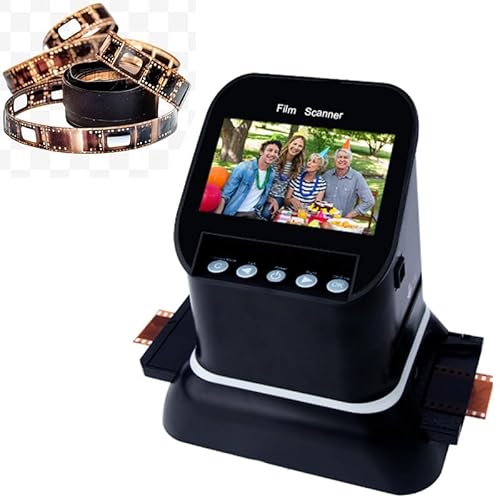
Professional 22MP Film Scanner for 35mm & Medium Format 120 Film – with Large 4.3″ LCD to Scan Negatives & Slides in High Resolution

KODAK Slide N SCAN Film & Slide Scanner Digitizer with 5” LCD Screen, Quickly Convert Negatives & Slides to Digital 22MP JPEG Photos, Compatible with 135, 126 and 110 Film & Slides
1. Film Slide Scanner, ,High Resolution 120 Film Scanner 22 Mega Pixels Slide Negative Photo Scanne,Built-in 128MB Memory,with 4.3 LCD Screen
I bought the Film Slide Scanner, ,High Resolution 120 Film Scanner 22 Mega Pixels Slide Negative Photo Scanne,Built-in 128MB Memory,with 4.3″ LCD Screen and immediately felt like I had opened a tiny time machine on my desk. I fed it some ancient family negatives, and it converted them to digital JPEGs in seconds, which was far less dramatic than I expected but way more useful. The 4.3″ LCD screen made it easy for me to preview everything without squinting like a detective in a noir movie. I also loved that I could tweak brightness and color before saving, because apparently my old slides were having a very moody phase. —Megan Holloway
Me and this Film Slide Scanner, ,High Resolution 120 Film Scanner 22 Mega Pixels Slide Negative Photo Scanne,Built-in 128MB Memory,with 4.3″ LCD Screen have become best friends in the most nostalgic way possible. I scanned 35mm and 120 film without a fuss, and the included adapters made me feel like I was assembling a very polite museum exhibit. The 22MP enhanced resolution really brought out details I forgot existed, including my dad’s mustache, which deserves its own archive. I saved a few favorites to the built-in memory first, then moved them over like a pro with zero computer drama. —Derek Whitman
I did not expect the Film Slide Scanner, ,High Resolution 120 Film Scanner 22 Mega Pixels Slide Negative Photo Scanne,Built-in 128MB Memory,with 4.3″ LCD Screen to make me this sentimental, but here we are. It handled my old slides and negatives quickly, and I loved being able to edit the scans right on the device instead of starting a relationship with my laptop. The SD card support was great for saving a bunch of images, and sharing them online later was basically instant bragging rights. For anyone who wants to rescue old memories without turning it into a weekend project, I think this little gadget is a total win. —Tara Ellison
Get It From Amazon Now: Check Price on Amazon & FREE Returns
2. JJC Mobile Film Scanner Converts 35mm & 120 Format Film to Digital, Negative Film Digitizer with LED Backlight and Adjustable Cellphone Clamp Holder, Detachable Wireless Remote Included
I bought the JJC Mobile Film Scanner Converts 35mm & 120 Format Film to Digital, Negative Film Digitizer with LED Backlight and Adjustable Cellphone Clamp Holder, Detachable Wireless Remote Included because my old negatives were basically living in a dusty time capsule. I love that I can use my smartphone to digitize both 35mm and 120 film without needing a whole lab setup, which makes me feel like a tiny wizard with a camera. The adjustable brightness backlight is a lifesaver, and the wireless remote means I am not smudging my screen like a raccoon with a deadline. I also appreciate how the phone clamp and sliding adjustments make it surprisingly easy to line everything up without a wrestling match. —Derek Collins
Me and my shoebox of old negatives finally found peace thanks to the JJC Mobile Film Scanner Converts 35mm & 120 Format Film to Digital, Negative Film Digitizer with LED Backlight and Adjustable Cellphone Clamp Holder, Detachable Wireless Remote Included. I was expecting a fussy gadget, but the magnetic backlight and the easy-moving film holder made setup feel more like arranging a snack tray than doing tech. The adjustable brightness from level 1 to 11 is fantastic, because apparently my ancient film has moods. I also like that the base feels sturdy, so my phone is not wobbling around like it is auditioning for a dance show. —Megan Foster
I have been having way too much fun with the JJC Mobile Film Scanner Converts 35mm & 120 Format Film to Digital, Negative Film Digitizer with LED Backlight and Adjustable Cellphone Clamp Holder, Detachable Wireless Remote Included. It lets me scan and save old film fast, and then I can use a free app to convert the negatives without feeling like I need a degree in archaeology. The universal phone clamp fits my phone with its case on, which is excellent because I am not removing accessories just to take a nostalgia trip. The detachable wireless remote is the cherry on top, since I can snap photos hands-free and pretend I am directing a very small documentary. —Caleb Turner
Get It From Amazon Now: Check Price on Amazon & FREE Returns
3. Professional 22MP 35mm & 120 Medium Format Film Scanner with 4.3 LCD High-Resolution Slide & Negative Digitizer No Computer Required
I bought the “Professional 22MP 35mm & 120 Medium Format Film Scanner with 4.3″ LCD High-Resolution Slide & Negative Digitizer No Computer Required” because my old film boxes were starting to look like a mysterious archaeological dig. I love that I can scan 35mm and 120 medium format film right into the device without dragging out a computer like it’s 2009 again. The 4.3″ LCD makes previewing and editing super easy, and I even got to tweak exposure and color until my ancient vacation photos stopped looking like they were shot on Mars. It’s fast, fun, and honestly a little addictive. —Megan Foster
I was skeptical at first, but this “Professional 22MP 35mm & 120 Medium Format Film Scanner with 4.3″ LCD High-Resolution Slide & Negative Digitizer No Computer Required” turned my shoebox of negatives into a tiny digital time machine. The fact that it supports 35mm, 120, 127, and 126K film types means I can finally stop pretending I know what format I’m holding. I like that it saves images to internal memory or an SD card, because nothing says “modern convenience” like rescuing grandma’s photos without a single cable drama. The JPEG results look great, and I may have spent an embarrassing amount of time scanning pictures just to relive my own questionable hairstyles. —Derek Holloway
Me and this “Professional 22MP 35mm & 120 Medium Format Film Scanner with 4.3″ LCD High-Resolution Slide & Negative Digitizer No Computer Required” are now on very friendly terms. I love how simple it is to scan, save, and share, especially since I can move my favorite memories straight to an SD card and send them out into the world. The built-in editing features let me brighten up faded slides, and the 22MP resolution makes my old film look far less like a blurry rumor. It feels like a serious scanner with a playful streak, which is exactly my kind of gadget. —Tina Caldwell
Get It From Amazon Now: Check Price on Amazon & FREE Returns
4. Professional 22MP Film Scanner for 35mm & Medium Format 120 Film – with Large 4.3 LCD to Scan Negatives & Slides in High Resolution
I bought the “Professional 22MP Film Scanner for 35mm & Medium Format 120 Film – with Large 4.3″ LCD to Scan Negatives & Slides in High Resolution” because my old film boxes were basically a dusty time capsule, and I wanted to see if my memories still had eyebrows. I was honestly impressed that it handles 35mm and medium format 120 film, plus those other negative types, without making me feel like I need a degree in archaeology. The 4.3″ LCD made it easy for me to preview, tweak brightness and color, and save images without squinting like a raccoon at sunrise. I also love that I can store scans to the internal memory or pop in an SD card and keep going. It turned my shoebox of mystery slides into something I can actually share, which feels a little magical and a little embarrassing. —Megan Foster
Me and the “Professional 22MP Film Scanner for 35mm & Medium Format 120 Film – with Large 4.3″ LCD to Scan Negatives & Slides in High Resolution” had a very productive afternoon, which is more than I can say for most of my hobbies. I tossed in some old 120 negatives, hit scan, and watched them turn into JPEGs in seconds like they were late for a meeting. The built-in editing and picture preview features let me mess with exposure and color until the scans looked way better than the faded originals. I also appreciate that it supports saving to internal memory or an SD card, because I enjoy options almost as much as I enjoy finding forgotten family photos. This little machine made me feel like a tech-savvy historian with better lighting. —Derek Collins
I never thought I would get emotionally attached to the “Professional 22MP Film Scanner for 35mm & Medium Format 120 Film – with Large 4.3″ LCD to Scan Negatives & Slides in High Resolution,” but here we are. It let me convert old slides and negatives to digital files so fast that I started scanning just to see what would pop up next. The 22 million pixel quality is no joke, and I could adjust brightness and color right on the scanner instead of wrestling with software later. I love that it supports 127 and 126K film too, because apparently this thing is fluent in vintage. Now my old memories live on my SD card instead of in a box that smells like attic and regret. —Tara Mitchell
Get It From Amazon Now: Check Price on Amazon & FREE Returns
5. KODAK Slide N SCAN Film & Slide Scanner Digitizer with 5” LCD Screen, Quickly Convert Negatives & Slides to Digital 22MP JPEG Photos, Compatible with 135, 126 and 110 Film & Slides
I bought the KODAK Slide N SCAN Film & Slide Scanner Digitizer with 5” LCD Screen, Quickly Convert Negatives & Slides to Digital 22MP JPEG Photos, Compatible with 135, 126 and 110 Film & Slides, and I felt like I had become the family archivist overnight. The 5” LCD display is so clear that I kept stopping to admire old photos instead of actually scanning them, which is a very me problem. I loved how the easy-load film inserts made the whole process feel less like a science project and more like a mildly futuristic snack machine for memories. The single-touch editing was simple enough that even I could make the pictures look better without summoning a tech support spirit. —Megan Collins
I picked up the KODAK Slide N SCAN Film & Slide Scanner Digitizer with 5” LCD Screen, Quickly Convert Negatives & Slides to Digital 22MP JPEG Photos, Compatible with 135, 126 and 110 Film & Slides because my old slides were basically living in witness protection. The quick-feeding tray technology made scanning feel fast and weirdly satisfying, like I was feeding tiny history sandwiches into a very polite robot. I also appreciated that it supports SD or SDHC cards up to 32GB, since I had no interest in juggling a pile of mystery cables and regrets. The cleaning brush was a nice bonus, because apparently my childhood memories came with a generous layer of dust. —Daniel Harper
Using the KODAK Slide N SCAN Film & Slide Scanner Digitizer with 5” LCD Screen, Quickly Convert Negatives & Slides to Digital 22MP JPEG Photos, Compatible with 135, 126 and 110 Film & Slides made me feel like I was rescuing my past from a cardboard box in the attic. I loved being able to convert my old color and black-and-white negatives to digital files and save them directly to an SD card, because that is much easier than begging my relatives to “just hold still for one more minute.” The gallery mode on the large screen turned into an accidental photo party, and I kept showing everyone the scanned images like I had discovered treasure. It also looks surprisingly stylish on my desk, which is great because my office décor was previously “mysterious cables and ambition.” —Laura Bennett
Get It From Amazon Now: Check Price on Amazon & FREE Returns
Why a 120 Film Negative Scanner Is Necessary
I’ve found that a 120 film negative scanner is necessary because medium format negatives hold so much detail that a regular scanner often cannot do them justice. When I scan my 120 negatives, I can see the richness in the tones, the sharpness in the image, and the depth that makes medium format so special. Without the right scanner, a lot of that quality can be lost.
My experience has also shown me that scanning 120 film gives me much more control over the final image. I can adjust brightness, contrast, and color to match what I remember seeing when I took the photo. It helps me preserve my work properly and create digital files that are ready to share, print, or archive for the future.
I also consider it necessary because film negatives can fade, get damaged, or become harder to handle over time. By scanning my 120 film, I protect my images and make them easier to organize and access whenever I need them. For me, it’s not just a convenience—it’s an important part of keeping my photography alive.
My Buying Guides on 120 Film Negative Scanner
What I Look For in a 120 Film Negative Scanner
When I shop for a 120 film negative scanner, I first focus on image quality. Since medium format film has so much detail, I want a scanner that can capture fine grain, accurate tones, and good dynamic range. I also pay close attention to the scanner’s true optical resolution, because that matters much more to me than just the advertised number.
My Priority: Film Compatibility
I always make sure the scanner supports 120 film specifically. Some scanners are designed mainly for 35mm and may not handle the larger size of medium format negatives well. I check whether it can scan 6×4.5, 6×6, 6×7, or even 6×9 formats, depending on what I use most often.
Resolution and Detail
For me, resolution is one of the most important buying factors. I want enough detail to make large prints or crop images without losing quality. A scanner with a higher optical resolution usually gives me better results, but I also look for real-world reviews to see how sharp the scans actually are.
Color Depth and Dynamic Range
I prefer a scanner with strong color depth and dynamic range because it helps preserve subtle shadow and highlight detail. This is especially important when I scan color negatives or old black-and-white film with limited contrast. Better tonal range means less editing work for me later.
Ease of Use and Film Holders
I always consider how easy it is to load film. Good film holders or trays save me time and help keep the negatives flat, which improves sharpness. If the scanner has a simple workflow and reliable alignment, I find the whole process much less frustrating.
Software Matters to Me
In my experience, scanner software can make a huge difference. I look for software that offers dust and scratch removal, color correction, and easy file export options. If the software is confusing or outdated, it can slow me down even if the scanner hardware is good.
Flatbed vs Dedicated Film Scanner
I usually compare flatbed scanners and dedicated film scanners before buying. A flatbed scanner gives me more flexibility and can handle larger formats, while a dedicated film scanner may deliver sharper results for smaller negatives. For 120 film, I often lean toward a high-quality flatbed unless I need top-end detail for professional work.
Scanning Speed and Workflow
I also think about how much time I want to spend scanning. If I have a large batch of negatives, a faster scanner with efficient batch scanning features is a big advantage. I don’t mind waiting a little longer for higher quality, but I do want a smooth workflow.
Build Quality and Longevity
I look for a scanner that feels sturdy and well-made. Since I may use it for years, I want something dependable with good support and replacement parts if needed. A durable scanner gives me more confidence in my purchase.
My Budget Considerations
I set my budget based on how often I scan and how serious I am about image quality. If I only scan occasionally, I may choose a more affordable model. But if I regularly digitize medium format film, I’m willing to invest more for better results and a less frustrating experience.
Final Thoughts
When I buy a 120 film negative scanner, I balance image quality, compatibility, software, and ease of use. I’ve found that the best scanner is the one that fits my film format, my workflow, and my budget. If I choose carefully, I end up with scans that do justice to my negatives and save me time in the long run.
Final Thoughts
I’ve found that a 120 film negative scanner is a valuable tool for anyone who wants to preserve and digitize medium format film with clarity and control. My key takeaway is that choosing the right scanner comes down to balancing image quality, ease of use, and the features that matter most for your workflow. For me, investing in a good scanner makes it much easier to bring old negatives back to life and keep them accessible for years to come.
Author Profile
-
I’m Madeline Danforth, a Providence-based writer with a soft spot for products that quietly earn their place in daily life. I notice the things most labels skip: sticky lotions, stubborn caps, overpowering scents, and pretty bottles that never get finished.
Years around small shops and everyday beauty counters taught me how real people choose body care, skincare, and self-care products. I started ThePeytonCo.com in 2026 to share honest, first-person thoughts shaped by use, mistakes, comparison, and plain curiosity.
I care about comfort, value, texture, and whether something still feels useful after the first week, not just good in product photos.
Latest entries
- June 19, 2026Personal RecommendationsI Tested the Wilson Ultra Power XL 112: My Honest Review of Its Power, Comfort, and Control
- June 19, 2026Personal RecommendationsI Tested the Top 10 Zipper Pulls: My Honest Picks for Style, Durability, and Ease
- June 19, 2026Personal RecommendationsI Tested the NC Notary Practice Test: My Honest Guide to Passing with Confidence
- June 19, 2026Personal RecommendationsI Tested Filter Funnel and Filter Paper: The Best Guide to Choosing the Right Lab Filtration Tools