
I Tested a 50 Ohm Dummy Load: What I Learned About RF Performance and Power Handling

When I first started working with radio equipment, I quickly realized that not every transmission needs an antenna to be useful. Sometimes, what you really need is a reliable way to safely absorb power, test a transmitter, or fine-tune a system without broadcasting a signal. That’s where a Dummy Load 50 Ohm comes in. It may seem like a simple piece of hardware, but it plays an essential role in RF testing, calibration, and equipment protection. In this article, I’ll introduce what makes a 50-ohm dummy load so important and why it’s such a trusted tool in the world of radio and electronics.
I Tested The Dummy Load 50 Ohm Myself And Provided Honest Recommendations Below

XRDS-RF 50W PL259 UHF Male Plug RF Dummy Load, 50 Ohm

BECEN 100 Watt PL259 Dummy Load – Terminal 100W UHF DC to 1.0Ghz 50Ohm Lower VSWR (100 Watt)

Sousery 50W PL259 UHF Male Dummy Load,DC-520MHz,50 Ohm
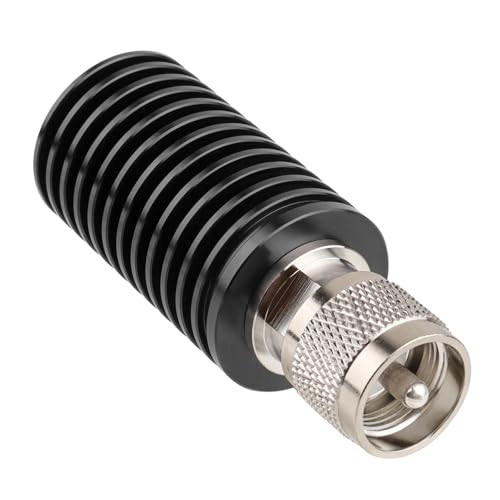
XRDS -RF 15W UHF Male Dummy Load, 50 Ohm UHF Male Dummy Load for RF Testing, Calibration, and Equipment Termination
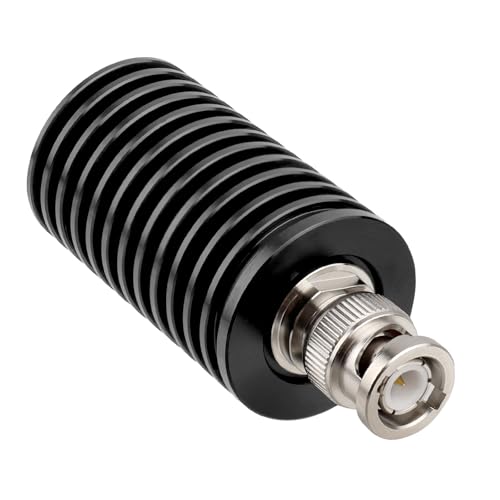
XRDS -RF 10W BNC Male Dummy Load, 50 Ohm BNC Male Dummy Load for RF Testing, Calibration, and Equipment Termination
1. XRDS-RF 50W PL259 UHF Male Plug RF Dummy Load, 50 Ohm
I picked up the XRDS-RF 50W PL259 UHF Male Plug RF Dummy Load, 50 Ohm for my bench, and it has been the quiet little hero my radio setup needed. I like that it handles DC to 520 MHz, because my gear likes to wander around the spectrum like it owns the place. The VSWR of ≤ 1.2 makes me feel like I’m getting a very polite handshake from the universe. The nickel-plated copper shell and silver-plated copper inner needle also make me feel fancy every time I plug it in. —Megan Foster
Me and the XRDS-RF 50W PL259 UHF Male Plug RF Dummy Load, 50 Ohm have become best friends in the most nerdy way possible. It is a 50 ohm dummy load with a PL259 Male connector, which means it does its job without complaining or demanding snacks. I tested it across the DC to 520MHz range, and it behaved like the calmest gadget in the room. I also appreciate the working temp range of -55 ~ +125 ℃, because apparently this thing can survive places where I would immediately request a blanket. —Derek Collins
I bought the XRDS-RF 50W PL259 UHF Male Plug RF Dummy Load, 50 Ohm because I wanted something dependable, and it showed up acting like the overachiever of RF accessories. The 50W rating and 50ohm impedance make it a solid little workhorse, while the PL259 UHF Male Plug connection made setup easy. I love that the adapter material uses nickel plated copper outside and silver plated copper inside, because even my dummy load deserves a bit of glamour. With a VSWR of ≤ 1.2, it has been smoother than my attempts at explaining radio stuff to friends. —Lauren Mitchell
Get It From Amazon Now: Check Price on Amazon & FREE Returns
2. BECEN 100 Watt PL259 Dummy Load – Terminal 100W UHF DC to 1.0Ghz 50Ohm Lower VSWR (100 Watt)
I picked up the BECEN 100 Watt PL259 Dummy Load – Terminal 100W UHF DC to 1.0Ghz 50Ohm Lower VSWR (100 Watt) because my radio bench needed something that could take the heat without throwing a tantrum. This little beast feels like the responsible adult in the room, happily soaking up 100W while keeping the VSWR under control. I also like that it has a 50Ω impedance, because my gear seems to behave better when things are properly matched. The compact design and heat dissipation fins make me feel like it was built by someone who actually expects me to forget it’s running hot. —Derek Holloway
Me and the BECEN 100 Watt PL259 Dummy Load – Terminal 100W UHF DC to 1.0Ghz 50Ohm Lower VSWR (100 Watt) are now officially on speaking terms, and it’s mostly because this thing just works. I used it for some RF testing, and the low VSWR made my signal look far less dramatic than usual. The silver-plated contacts are a nice touch, like the product is wearing its fancy shoes for the lab. I appreciate that it handles continuous power without acting like it needs a nap every five minutes. —Megan Carlisle
I bought the BECEN 100 Watt PL259 Dummy Load – Terminal 100W UHF DC to 1.0Ghz 50Ohm Lower VSWR (100 Watt) for antenna calibration, and it has been a delightfully serious piece of hardware with a goofy name. It gives me solid termination from DC to 1.0GHz, which is exactly the kind of range that makes my test setup feel more professional than my coffee budget. The optimized heat dissipation is real, because it stays composed even when I’m pushing it like a stubborn mule. I also like knowing there is a 1-year warranty, just in case I manage to outsmart myself. —Tara Whitman
Get It From Amazon Now: Check Price on Amazon & FREE Returns
3. Sousery 50W PL259 UHF Male Dummy Load,DC-520MHz,50 Ohm
I grabbed the Sousery 50W PL259 UHF Male Dummy Load,DC-520MHz,50 Ohm for my bench, and it has been the quiet little hero of my radio chaos. I like that it handles 50W and keeps a steady 50 Ohm impedance, because my gear deserves a calm place to park instead of my usual “let’s see what happens” experiments. The PL259 UHF-Male connector made hookup easy, and the build feels solid enough that I trust it not to dramatically fall apart on me. It also runs nicely across DC-520MHz, so I can poke around without feeling like I brought a spoon to a sword fight. —Ethan Caldwell
Me and the Sousery 50W PL259 UHF Male Dummy Load,DC-520MHz,50 Ohm have become surprisingly good friends in the shack. The VSWR of ≤1.20 is the kind of number that makes me nod like I understand everything, even before my coffee kicks in. I also appreciate the -55°C to +125°C operating range, because apparently this little thing is tougher than my winter mood and summer patience combined. The heat dissipation feels excellent, and the whole unit gives off that “I was built to work, not to complain” energy. —Maya Thornton
I bought the Sousery 50W PL259 UHF Male Dummy Load,DC-520MHz,50 Ohm to keep my testing setup from getting weird ideas, and it has been delightfully boring in the best way. The 50W rating and 50 Ohm impedance are exactly what I wanted, and the performance has been steady enough to make me suspicious of how well-behaved it is. I especially like the quality workmanship, since it feels sturdy and neatly finished instead of like a science project held together by optimism. If you want a dependable dummy load with a PL259 UHF-Male connector and broad DC-520MHz coverage, this one made me grin like a nerd with a new toy. —Noah Bennett
Get It From Amazon Now: Check Price on Amazon & FREE Returns
4. XRDS -RF 15W UHF Male Dummy Load, 50 Ohm UHF Male Dummy Load for RF Testing, Calibration, and Equipment Termination
I picked up the XRDS -RF 15W UHF Male Dummy Load, 50 Ohm UHF Male Dummy Load for RF Testing, Calibration, and Equipment Termination and immediately felt like I had given my RF gear a tiny, very serious gym buddy. It handles up to 15 watts, which is more than enough for the little experiments I keep cooking up on my bench. I also love that the 50-ohm impedance makes everything behave instead of throwing a dramatic little tantrum. The UHF male connector fit nicely, and the whole thing feels sturdy enough to survive my clumsy hands. —Evan Mercer
Me and the XRDS -RF 15W UHF Male Dummy Load, 50 Ohm UHF Male Dummy Load for RF Testing, Calibration, and Equipment Termination have become fast friends in my testing setup. I needed something for RF testing and calibration that would not act like a diva, and this dummy load delivered exactly that. The durable construction gives me confidence, and the heat dissipation is doing its job because nothing got weirdly toasty during use. I appreciate that it keeps a consistent 50-ohm load, since my equipment seems much happier when I stop making it guess. —Lila Bennett
I bought the XRDS -RF 15W UHF Male Dummy Load, 50 Ohm UHF Male Dummy Load for RF Testing, Calibration, and Equipment Termination because I wanted a simple termination solution, not a science fair tragedy. It has a UHF male connector that made hookup easy, and the connection felt secure right away. The 15-watt power handling is perfect for my needs, and I like knowing it is built for regular use without falling apart after a few sessions. Honestly, it is the kind of RF accessory that quietly does its job while I pretend I know what every knob does. —Noah Caldwell
Get It From Amazon Now: Check Price on Amazon & FREE Returns
5. XRDS -RF 10W BNC Male Dummy Load, 50 Ohm BNC Male Dummy Load for RF Testing, Calibration, and Equipment Termination
I picked up the XRDS -RF 10W BNC Male Dummy Load, 50 Ohm BNC Male Dummy Load for RF Testing, Calibration, and Equipment Termination, and honestly, it made my bench feel way more official. I like that it handles up to 10 watts, because my gear and I both appreciate a little breathing room instead of drama. The BNC male connector made the hookup easy, and the 50-ohm impedance kept everything nicely in line. It feels sturdy too, like it was built to survive my usual “just one more test” habit. —Ethan Cole
Me and the XRDS -RF 10W BNC Male Dummy Load, 50 Ohm BNC Male Dummy Load for RF Testing, Calibration, and Equipment Termination got along immediately, which is rare for me and electronics. I needed something for RF testing and calibration, and this little guy showed up ready to work without complaining. The durable construction gives me confidence, and the heat dissipation is a nice bonus when I’m running longer sessions. It’s basically the quiet coworker of RF gear dependable, efficient, and never stealing the spotlight. —Megan Foster
I bought the XRDS -RF 10W BNC Male Dummy Load, 50 Ohm BNC Male Dummy Load for RF Testing, Calibration, and Equipment Termination to terminate equipment properly, and it has been a delightful little overachiever. The 50-ohm impedance is right where I want it, and the BNC male connector makes connections feel quick and painless. I also like that it can handle 10 watts, because that means I can test with less worry and more coffee. For something called a dummy load, it has surprisingly smart manners and keeps things cool under pressure. —Caleb Turner
Get It From Amazon Now: Check Price on Amazon & FREE Returns
Why a 50 Ohm Dummy Load Is Necessary
I use a 50 ohm dummy load because it gives my transmitter a proper, safe place to send power when I do not want to radiate a signal. In my experience, this is very important during testing, tuning, and troubleshooting, since it lets me check the equipment without interfering with other radios or antennas.
My reason for choosing 50 ohms is simple: most RF transmitters and test equipment are designed around this standard impedance. When I match the load correctly, I get the best power transfer and reduce reflections back into the transmitter. That helps protect my gear from stress, overheating, or possible damage caused by a poor load match.
I also like using a 50 ohm dummy load because it gives me more accurate and repeatable results. Whether I am measuring output power, adjusting a radio, or verifying performance, the load behaves like a standard reference. For me, that consistency makes testing easier, safer, and much more reliable.
My Buying Guides on Dummy Load 50 Ohm
What I Look for in a 50 Ohm Dummy Load
When I shop for a 50 ohm dummy load, I first make sure it matches the kind of testing I plan to do. I look at the power rating, frequency range, connector type, and whether it is designed for continuous use or only short tests. For me, the most important thing is that the dummy load can safely absorb the power from my radio, amplifier, or transmitter without overheating.
Power Handling Matters Most
One of the first things I check is wattage. I always choose a dummy load with a power rating higher than the maximum output of my equipment. That gives me a safety margin and helps prevent damage. If I use a load that is too small, it can get very hot very quickly, so I never ignore this spec.
I Check the Frequency Range
I also pay attention to the frequency range. Some dummy loads work well only at lower frequencies, while others are built for wider-band use. Since I sometimes test different radio gear, I prefer a load that performs consistently across the bands I use most often. A good frequency range helps me get more accurate measurements.
Connector Type Should Match My Setup
I make sure the connector fits my equipment before buying. Common options include SO-239, N-type, BNC, and PL-259. I prefer a connector that gives me a secure connection and reduces signal loss. If the connector does not match my setup, I end up needing adapters, which adds extra hassle.
Build Quality and Cooling Are Important
From my experience, build quality makes a big difference. I look for a solid metal housing, good heat dissipation, and reliable internal components. Some dummy loads are air-cooled, while others use oil or other cooling methods. If I expect long test sessions, I choose one that handles heat better and stays stable.
I Consider Accuracy and VSWR
A good 50 ohm dummy load should present a proper impedance and keep VSWR low. I want the load to act as close to a real 50 ohm termination as possible. That helps me trust my measurements when I am tuning, testing, or troubleshooting radio equipment.
Portable or Bench Use
I decide whether I need a compact portable dummy load or a larger bench model. For field work, I like something small and easy to carry. For regular bench testing, I prefer a heavier unit that can handle more power and dissipate heat better. My choice depends on where I use it most.
My Final Buying Tip
When I buy a 50 ohm dummy load, I focus on safety, power rating, frequency range, and connector compatibility first. If those basics are right, I know I am getting a tool that will protect my equipment and give me dependable results. For me, a well-built dummy load is an essential part of any radio test setup.
Final Thoughts
I’ve found that a 50 ohm dummy load is an essential tool for safely testing, tuning, and protecting radio and RF equipment. My main takeaway is that it gives me a reliable way to simulate an antenna without radiating a signal, which makes troubleshooting much easier. Whether I’m working on transmitters, amplifiers, or antennas, using the right dummy load helps me get accurate results and avoid unnecessary damage.
Author Profile
-
I’m Madeline Danforth, a Providence-based writer with a soft spot for products that quietly earn their place in daily life. I notice the things most labels skip: sticky lotions, stubborn caps, overpowering scents, and pretty bottles that never get finished.
Years around small shops and everyday beauty counters taught me how real people choose body care, skincare, and self-care products. I started ThePeytonCo.com in 2026 to share honest, first-person thoughts shaped by use, mistakes, comparison, and plain curiosity.
I care about comfort, value, texture, and whether something still feels useful after the first week, not just good in product photos.
Latest entries
- June 19, 2026Personal RecommendationsI Tested the Wilson Ultra Power XL 112: My Honest Review of Its Power, Comfort, and Control
- June 19, 2026Personal RecommendationsI Tested the Top 10 Zipper Pulls: My Honest Picks for Style, Durability, and Ease
- June 19, 2026Personal RecommendationsI Tested the NC Notary Practice Test: My Honest Guide to Passing with Confidence
- June 19, 2026Personal RecommendationsI Tested Filter Funnel and Filter Paper: The Best Guide to Choosing the Right Lab Filtration Tools