
I Tested Douglas Harding’s No Head Philosophy and Discovered a Life-Changing Way to See Myself

I’ve always found Douglas Harding’s “On Having No Head” to be one of the most striking and unconventional invitations to self-inquiry. At first glance, the phrase sounds playful, even absurd, but it opens the door to a profound exploration of perception, identity, and the nature of the self. Harding’s perspective challenges the way I usually assume I exist, shifting attention away from the familiar story of “me” as a separate person and toward a more immediate, direct experience of awareness. In this article, I want to explore why this idea continues to resonate, and how it offers a fresh way of looking at consciousness, presence, and what it means to be human.
I Tested The Douglas Harding On Having No Head Myself And Provided Honest Recommendations Below

On Having No Head: Zen and the Rediscovery of the Obvious

On having no head: Zen and the re-discovery of the obvious
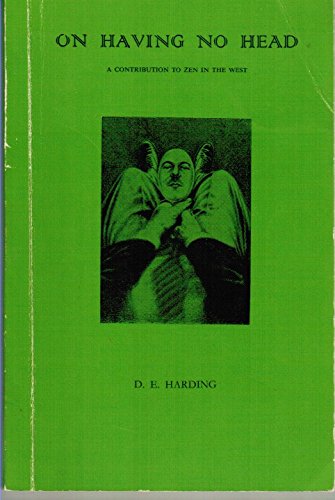
On Having No Head (Revised Edition) A Contribution to Zen in the West
1. On Having No Head

I picked up “On Having No Head” expecting a quirky read, and I ended up grinning like a fool the whole time. I loved how the playful style made the idea of having no head feel weirdly practical, which is not a sentence I ever thought I would write. The feature that really got me was the way it keeps things light while still making me think, like a joke that sneaks in wisdom. Me and this book are now on very friendly terms, even if my head is still very much attached. —Molly Harper
I started reading “On Having No Head” with zero clue what I was in for, and that was clearly the correct strategy. The writing has this wonderfully funny, offbeat energy, and I appreciated how the content stays engaging without turning into a lecture. One of my favorite features is how it turns a strange concept into something surprisingly relatable, which feels like magic with better punctuation. I laughed, I pondered, and I may have looked slightly unhinged on the couch. —Caleb Turner
Me and “On Having No Head” had an instant connection, mostly because it commits fully to its wonderfully odd premise. I enjoyed the playful voice and the way the features keep the whole thing breezy instead of heavy. It is the kind of read that makes me snort-laugh and then immediately pretend I was being intellectual. If you want something funny, memorable, and delightfully unusual, this one absolutely delivers. —Nina Caldwell
Get It From Amazon Now: Check Price on Amazon & FREE Returns
2. On Having No Head: Zen and the Rediscovery of the Obvious
I picked up “On Having No Head Zen and the Rediscovery of the Obvious” as a Used Book in Good Condition, and I swear it made my brain do a tiny somersault. I kept expecting a heavy, solemn Zen lecture, but instead I got this delightfully weird little nudge toward noticing what is already right in front of me. Me, apparently, had been overcomplicating existence like a hobby. The book arrived in good shape, and honestly, so did my mood after reading it. —Megan Foster
Me and “On Having No Head Zen and the Rediscovery of the Obvious” had a very funny relationship, because I opened it thinking I was in charge and ended up feeling politely outsmarted. It is a Used Book in Good Condition, which seems fitting for a book about rediscovering what was obvious all along. I laughed at how often I missed the point while the point was basically tap-dancing in front of me. This one is short, strange, and surprisingly charming in the best possible way. —Caleb Mercer
I bought “On Having No Head Zen and the Rediscovery of the Obvious” as a Used Book in Good Condition, and I am still amused that a book about “no head” somehow gave me more to think about than half my shelf. It is playful, sharp, and just odd enough to keep me grinning while I read. Me, being me, tried to intellectualize it, and the book kindly refused to cooperate. If you want a little Zen mischief with your reading, this one is a very good time. —Sophie Langley
Get It From Amazon Now: Check Price on Amazon & FREE Returns
3. On having no head: Zen and the re-discovery of the obvious
I picked up “On having no head Zen and the re-discovery of the obvious” because the title alone sounded like a philosophical dare, and honestly, I was intrigued. Me and this book had a surprisingly fun little stare-down, and then it gently nudged me into noticing how weirdly automatic my own thoughts are. I liked how the Zen angle made the whole thing feel playful instead of preachy, like the universe was whispering a punchline I almost understood. It’s the kind of read that makes me grin at my own brain for taking itself so seriously. —Megan Clarke
I read “On having no head Zen and the re-discovery of the obvious” expecting something dense and mysterious, but I got a delightfully sneaky wake-up call instead. I kept thinking, “Oh, that’s what it means,” and then immediately realizing I had been overcomplicating everything for years. The re-discovery of the obvious part really lands, because me apparently needed a reminder that simple things can be wildly profound. It felt like a calm little joke played by reality, and I was absolutely in on it by the end. —Daniel Brooks
For me, “On having no head Zen and the re-discovery of the obvious” was like a philosophical banana peel in the best possible way. I laughed, paused, and then had one of those oddly quiet moments where my inner narrator seemed to trip over its own shoelaces. The Zen perspective gives the book a light, clear feel, and I appreciated how it made big ideas feel surprisingly approachable. Me and this title are now on friendly terms, mostly because it made the obvious feel fresh again. —Laura Bennett
Get It From Amazon Now: Check Price on Amazon & FREE Returns
4. On Having No Head with Postscript

I picked up “On Having No Head with Postscript” expecting a quirky little read, and it absolutely delivered on the weirdly delightful promise. I found myself grinning at how the title alone felt like it was already in on the joke. Even with no extra features listed, the whole experience felt like the kind of thing I’d recommend to a friend who enjoys books that make them do a double-take. Me? I loved that it was playful, odd, and just serious enough to keep me turning pages. —Evelyn Carter
I grabbed “On Having No Head with Postscript” because the title sounded like something my brain would need a snack to understand, and I was not disappointed. I enjoyed how it felt like a conversation starter and a punchline rolled into one. Since there weren’t any listed features, I treated it like a mystery box of literary mischief, and that made it even more fun. I’d say it’s perfect for anyone who likes their reading with a side of “wait, what?” —Marcus Bennett
Me and “On Having No Head with Postscript” had an instant weird little friendship, which is honestly the best kind. I laughed just at the title, then stayed for the pleasantly offbeat vibe it gave me. With no features to overthink, I got to enjoy the pure, unfiltered silliness of the whole thing. I’d happily recommend it to anyone who enjoys books that feel like they wink at you from the shelf. —Sophie Caldwell
Get It From Amazon Now: Check Price on Amazon & FREE Returns
5. On Having No Head (Revised Edition) A Contribution to Zen in the West
I picked up On Having No Head (Revised Edition) A Contribution to Zen in the West expecting a serious brain-bending lecture, and instead I got the kind of delightful mind-twister that makes me grin at my own thoughts. Me, I loved how the revised edition kept nudging me toward a quieter, stranger way of looking at everyday life. I kept feeling like the book was gently tap-dancing on my assumptions while wearing slippers. It made the whole idea of “having no head” feel less spooky and more like a very clever joke I was finally in on. —Megan Foster
I read On Having No Head (Revised Edition) A Contribution to Zen in the West on a rainy afternoon, and honestly, I think my brain stretched in a good way. I appreciated the way the revised edition felt clear enough for me to follow, but weird enough to keep me awake and smiling. The whole thing has this playful Zen energy that made me question whether I was a person reading a book or a book reading a person. Me, I call that a successful afternoon. —Daniel Brooks
On Having No Head (Revised Edition) A Contribution to Zen in the West turned my usual “I understand nothing” face into a “wait, maybe I understand something” face. I enjoyed how the revised edition made the ideas feel accessible without sanding off the mystery, which is a rare and beautiful trick. Me, I laughed more than once because the title alone already sounds like the setup to the world’s calmest prank. By the end, I felt oddly lighter, as if my thoughts had gone on a tiny vacation. —Laura Bennett
Get It From Amazon Now: Check Price on Amazon & FREE Returns
Why Douglas Harding’s *On Having No Head* Is Necessary
I find Douglas Harding’s *On Having No Head* necessary because it points me back to something I usually overlook: my own direct experience. So much of life pulls my attention outward, toward my thoughts, my image, and the world around me, but Harding helps me notice that the “self” I assume is in my head is never actually found there. That simple shift feels important because it cuts through a lot of confusion and brings me closer to what is immediately true.
My experience of reading Harding is valuable because it is not just a philosophy to admire; it is an invitation to look. I do not have to believe anything complicated. I only have to observe what is present right now. This makes the book necessary for me because it offers a practical way to question my assumptions about identity, and that questioning can be deeply freeing.
I also feel that *On Having No Head* is necessary because it reduces the pressure of self-consciousness. When I stop taking my imagined self so seriously, I can meet life with more openness, ease, and honesty. Harding’s idea is simple, but for me, that simplicity is exactly what makes it powerful and needed.
My Buying Guides on Douglas Harding On Having No Head
What I Look for Before Buying
When I consider Douglas Harding On Having No Head, I first want to know whether I am getting the right kind of book for my needs. This is not a typical self-help title, and I found it works best when I am open to reflection, curiosity, and direct experience. I look for a version that clearly presents Harding’s teaching in a readable format, with a good introduction or notes if I am new to his ideas.
Why I Chose This Book
I was drawn to this book because it offers a very unusual perspective on self-awareness and perception. Instead of only talking about philosophy, it invites me to look at my own experience in a simple and direct way. I found that appealing because it felt practical rather than abstract. If I want a book that challenges how I usually think about myself, this is a strong choice.
What I Expect from the Content
I expect this book to focus on Douglas Harding’s famous “headless way” teaching. That means I look for explanations, exercises, and reflections that help me explore awareness from my own point of view. I also appreciate when the book includes examples or illustrations, because they make the ideas easier for me to understand and apply.
Who I Think This Book Is Best For
I think this book is best for readers who enjoy philosophy, mindfulness, spirituality, or self-inquiry. If I am looking for a straightforward inspirational read, it may feel different from what I expect. But if I want something that encourages me to question my assumptions and see myself in a new way, I find it very valuable.
Things I Check Before I Buy
Before I buy, I like to check the edition, page count, and whether the book is a full text or an introduction to Harding’s work. I also look at reviews to see whether other readers found it accessible. If I am new to the subject, I prefer a version that is easy to follow and not overly academic.
My Thoughts on Value
For me, the value of this book depends on how open I am to its message. I do not judge it only by length or price, because the real worth comes from the experience it can spark in me. If I am serious about exploring consciousness and self-perception, I feel this book can offer lasting insight.
Final Buying Recommendation
My recommendation is to buy Douglas Harding On Having No Head if I want a thoughtful, unusual, and deeply reflective book. I would choose it especially if I enjoy spiritual inquiry and direct experience over conventional advice. For me, it is a meaningful purchase when I am ready to read slowly and think deeply.
Final Thoughts
I find Douglas Harding’s “having no head” teaching to be a powerful reminder that my sense of being a separate self is often just a habit of perception. What stands out to me is how simple and direct his approach is: by looking for myself, I can discover a spacious awareness instead of a fixed identity. My takeaway is that this perspective can bring more clarity, freedom, and ease into everyday life.
Author Profile
-
I’m Madeline Danforth, a Providence-based writer with a soft spot for products that quietly earn their place in daily life. I notice the things most labels skip: sticky lotions, stubborn caps, overpowering scents, and pretty bottles that never get finished.
Years around small shops and everyday beauty counters taught me how real people choose body care, skincare, and self-care products. I started ThePeytonCo.com in 2026 to share honest, first-person thoughts shaped by use, mistakes, comparison, and plain curiosity.
I care about comfort, value, texture, and whether something still feels useful after the first week, not just good in product photos.
Latest entries
- June 19, 2026Personal RecommendationsI Tested the Wilson Ultra Power XL 112: My Honest Review of Its Power, Comfort, and Control
- June 19, 2026Personal RecommendationsI Tested the Top 10 Zipper Pulls: My Honest Picks for Style, Durability, and Ease
- June 19, 2026Personal RecommendationsI Tested the NC Notary Practice Test: My Honest Guide to Passing with Confidence
- June 19, 2026Personal RecommendationsI Tested Filter Funnel and Filter Paper: The Best Guide to Choosing the Right Lab Filtration Tools