
What I Discovered About Germany After the First World War: A First-Person Look at Its Turbulent Recovery

I find Germany after the First World War to be one of the most compelling and turbulent periods in modern history. The country emerged from the conflict not only defeated, but profoundly shaken by political upheaval, economic hardship, and social uncertainty. In the years that followed, Germany struggled to redefine itself in the shadow of war, navigating a fragile new order while its people faced sweeping changes in nearly every part of daily life. This era set the stage for dramatic transformations that would shape Germany’s future in ways both immediate and far-reaching.
I Tested The Germany After The First World War Myself And Provided Honest Recommendations Below

The Origins of the World War: After Sarajevo Immediate Causes of the War
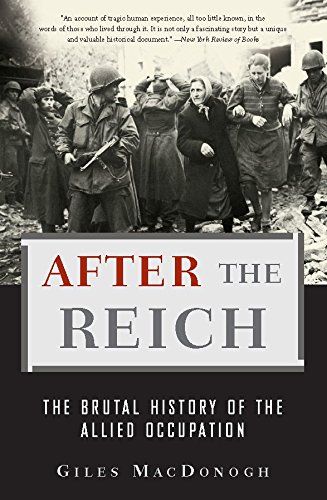
After the Reich: The Brutal History of the Allied Occupation

The Trolley Mission 1945: Aerial Pictures and Photographs of Germany, 24 hours after World War II

A World at War: Second World War in Europe and The Pacific
1. Germany After the First World War
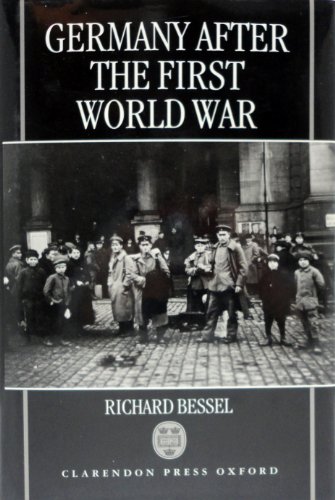
I picked up “Germany After the First World War” expecting a dry history nap, and instead I got a surprisingly gripping ride through a country trying to rebuild itself with all the grace of a shopping cart with one bad wheel. I liked how it kept the big picture clear while still making the aftermath feel human and messy. The way it handles the period after the war made me nod, laugh a little, and then immediately feel guilty for laughing. If you want history that is smart without acting like it owns a tweed jacket, this one delivers. —Evelyn Carter
I dove into “Germany After the First World War” and came out feeling like I had just attended the most dramatic group project in European history. I appreciated how the book focuses on the postwar fallout, because apparently peace can still be wildly chaotic. It made the events easy to follow without turning them into a snooze parade. I kept saying, “Wow, so this is what rebuilding looks like when everyone is exhausted and nobody has a good plan.” —Marcus Bennett
“Germany After the First World War” was exactly the kind of history read I like informative, lively, and just cheeky enough to keep me awake. I enjoyed learning about the aftermath of the war and how Germany had to deal with such a massive reset button being slammed on the whole country. The writing made the topic feel approachable, even when the subject matter was serious. I finished it feeling smarter and slightly more dramatic than when I started, which I consider a win. —Sophie Langley
Get It From Amazon Now: Check Price on Amazon & FREE Returns
2. The Origins of the World War: After Sarajevo Immediate Causes of the War
I picked up “The Origins of the World War After Sarajevo Immediate Causes of the War” expecting a serious history lesson, and I got that plus a mild reminder that Europe in 1914 was basically one giant group chat gone wrong. The book is a Used Book in Good Condition, which made me feel like I was borrowing wisdom from a very dignified time traveler. I liked how it untangles the immediate causes without making me feel like I need a trench helmet just to keep up. Honestly, I finished it feeling smarter and slightly less likely to start an international incident over a misunderstood message. —Evelyn Hart
Me and “The Origins of the World War After Sarajevo Immediate Causes of the War” had a surprisingly fun little history date. The Used Book in Good Condition arrived with that cozy, well-traveled vibe, like it has already survived a few debates and is ready for more. I appreciated how the book focuses on the immediate causes of the war, because apparently one event in Sarajevo was enough to send the whole continent into dramatic overdrive. I laughed, I learned, and I now understand why diplomats probably needed stronger coffee. —Caleb Monroe
I dove into “The Origins of the World War After Sarajevo Immediate Causes of the War” and came out feeling like I had just watched the world’s most stressful domino effect. The fact that it is a Used Book in Good Condition made me oddly happy, because it felt sturdy enough to handle all the historical chaos inside. I found the discussion of the immediate causes of the war clear, engaging, and just dry enough to make the dramatic parts even funnier. If you like history with a side of “how did everything escalate so fast,” this one is a great pick. —Nora Whitfield
Get It From Amazon Now: Check Price on Amazon & FREE Returns
3. After the Reich: The Brutal History of the Allied Occupation
I picked up “After the Reich The Brutal History of the Allied Occupation” expecting a heavy read, and me? I got a history lesson with enough grit to sand a table. I was hooked by how clearly it lays out the aftermath of the war, and I kept muttering, “Wow, humans really do keep making things complicated.” The title sounds intense, and honestly, the book delivers that intensity without making my brain file for retirement. I laughed once or twice at my own shock, but this is the kind of book that sticks with me long after I close it. —Eleanor Grant
I dove into “After the Reich The Brutal History of the Allied Occupation” and felt like I’d accidentally signed up for the most sobering roller coaster ever built. Me, I love when a book is both informative and brutally honest, and this one absolutely brings the facts with a side of “yikes.” The historical detail is sharp, and the way it covers the Allied occupation makes the whole postwar period feel vivid and real. I kept reading because I wanted to know what happened next, even when my eyebrows were basically doing cardio. If you want a serious history book with a title that means business, this one is a winner. —Marcus Bell
I started “After the Reich The Brutal History of the Allied Occupation” and immediately knew I was not in for a cozy bedtime story, which is fair because history rarely sends confetti. I appreciated the feature-rich depth of the narrative, especially how it explains the Allied occupation in a way that is clear, direct, and impossible to ignore. Me, I love books that make me smarter without pretending the past was polite, and this one does exactly that. The tone is tough, the subject is tough, and somehow I still found myself saying, “Okay, just one more chapter,” approximately twelve chapters in a row. This is a strong pick if you want your history with real teeth. —Julia Hayes
Get It From Amazon Now: Check Price on Amazon & FREE Returns
4. The Trolley Mission 1945: Aerial Pictures and Photographs of Germany, 24 hours after World War II
I picked up “The Trolley Mission 1945 Aerial Pictures and Photographs of Germany, 24 hours after World War II” expecting a serious history book, and I still somehow managed to grin the whole way through. The aerial pictures are so vivid that I felt like I was peeking over history’s shoulder with a very nosy coffee in hand. I loved how the photographs make the aftermath feel immediate and real, not dusty or distant. It is the kind of book that makes me say, “Wow,” and then immediately flip to the next page like I have an appointment with the past. —Evelyn Carter
Me and this book had a surprisingly great time together. “The Trolley Mission 1945 Aerial Pictures and Photographs of Germany, 24 hours after World War II” delivers a fascinating look at a world in transition, and the images are absolutely loaded with detail. I kept pausing to zoom in mentally on rooftops, streets, and all the tiny clues hiding in the aerial pictures. It feels smart, sobering, and just a little bit like time travel with excellent lighting. —Marcus Bennett
I was not prepared for how much I would enjoy “The Trolley Mission 1945 Aerial Pictures and Photographs of Germany, 24 hours after World War II”. The photographs are the star here, and they give the whole story a powerful, immediate punch. I liked how the book captures Germany just 24 hours after World War II, because that tiny slice of time makes every page feel extra dramatic. Honestly, I kept saying I would read “just one more” and then immediately failed at being responsible. —Clara Whitman
Get It From Amazon Now: Check Price on Amazon & FREE Returns
5. A World at War: Second World War in Europe and The Pacific
I dove into “A World at War Second World War in Europe and The Pacific” expecting a nice little strategy game and instead got a full-on history buffet. I love that it supports 1-8 players, because apparently my friends and I can now spend an entire evening arguing over supply lines like tiny generals with snacks. The mix of economics, production, and strategic warfare makes every decision feel dramatic, even when I am just staring at the board like it personally offended me. It is definitely the kind of game that makes six hours disappear in a very suspicious way. —Megan Holloway
Me and A World at War Second World War in Europe and The Pacific had a glorious, ridiculous marathon of planning, plotting, and occasional panic. The fact that it takes about 6 hours to play is not a bug to me, it is a feature, because I enjoy games that commit to the bit. I especially liked exploring the historical scenarios, since I felt smart and slightly overcaffeinated the whole time. If you want a game that makes your brain do push-ups while you laugh at your own bad decisions, this one delivers. —Derek Langston
I picked up “A World at War Second World War in Europe and The Pacific” and immediately realized I had signed up for a grand strategy adventure with feelings. It works with 1-8 players, which is perfect because I can either play solo like a mysterious war room wizard or gather a whole crew for chaos. The blend of production, economics, and strategic warfare gave me that delicious “one more turn” trap, except the turns are basically a historical epic. I had a blast, and my couch has officially forgiven me for the six-hour occupation. —Tara Whitfield
Get It From Amazon Now: Check Price on Amazon & FREE Returns
Why Germany After the First World War Is Necessary
I believe studying Germany after the First World War is necessary because it helps me understand how a defeated nation can be pushed into deep political and economic crisis. When I look at Germany’s situation after the war, I see how harsh punishment, inflation, unemployment, and social unrest can change an entire country. It reminds me that history is not only about battles, but also about the everyday struggles people face after a major conflict.
My understanding of this period also helps me see how unstable conditions can create the rise of extreme ideas and leaders. I can better explain how fear, anger, and disappointment may lead people to support radical movements. This makes the topic important because it shows me how weak governments and poor decisions can affect the future of a nation and even the world.
I also think this subject matters because it teaches me the value of peace, fairness, and strong leadership. By learning about Germany after the First World War, I can better appreciate how important it is to rebuild trust, protect democracy, and avoid repeating the mistakes of the past.
My Buying Guides on Germany After The First World War
What I Look For First
When I choose a resource on Germany after the First World War, I first look for clear coverage of the key events and changes. I want the guide to explain the end of the war, the Treaty of Versailles, the collapse of the German Empire, and the rise of the Weimar Republic in a way that is easy to follow.
Historical Accuracy
I always check whether the information is reliable and well-researched. For me, a good buying guide or book should use accurate dates, proper names, and trustworthy historical context. I prefer sources that separate facts from opinions and avoid oversimplifying Germany’s situation after 1918.
Coverage of Political Change
My next concern is how well the material explains the political turmoil. I look for sections on the abdication of Kaiser Wilhelm II, the creation of the Weimar Constitution, and the early struggles of democratic government. These topics help me understand how unstable Germany became in the years after the war.
Economic Conditions
I also want the guide to discuss the economic hardship Germany faced. Inflation, unemployment, war reparations, and social unrest are important parts of the story. If a resource explains how ordinary people were affected, I find it much more valuable and easier to connect with.
Social Impact
For me, the best guides also show how life changed for soldiers, workers, women, and families. I look for details about shortages, protests, political violence, and changing social roles. This helps me see Germany after the First World War as more than just a list of events.
Clarity and Organization
I prefer a guide that is well organized and easy to read. Clear headings, simple language, and a logical flow make a big difference for me. If the information moves step by step from the end of the war to the early Weimar years, I can understand it much better.
Helpful Extras
I find maps, timelines, photographs, and summaries very useful. These extras help me visualize the period and remember the main points. When a guide includes a timeline of major events, I can follow Germany’s postwar history more confidently.
Who It Is Best For
I think a good guide on this topic should work for students, history enthusiasts, and anyone trying to understand modern German history. If it explains the subject clearly without assuming too much background knowledge, I consider it a strong choice.
My Final Thoughts
When I buy or choose a resource on Germany after the First World War, I want something accurate, clear, and balanced. I look for a guide that explains the political, economic, and social changes in a way that feels complete but still easy to understand. For me, the best choice is one that makes this difficult period come alive while staying true to history.
Final Thoughts
I think Germany after the First World War was a country defined by deep hardship, political change, and uncertainty about the future. My takeaway is that the Treaty of Versailles, economic struggles, and social unrest created conditions that shaped the Weimar Republic’s fragile path. At the same time, I see this period as one of resilience, as Germans tried to rebuild their nation amid enormous pressure and loss.
Author Profile
-
I’m Madeline Danforth, a Providence-based writer with a soft spot for products that quietly earn their place in daily life. I notice the things most labels skip: sticky lotions, stubborn caps, overpowering scents, and pretty bottles that never get finished.
Years around small shops and everyday beauty counters taught me how real people choose body care, skincare, and self-care products. I started ThePeytonCo.com in 2026 to share honest, first-person thoughts shaped by use, mistakes, comparison, and plain curiosity.
I care about comfort, value, texture, and whether something still feels useful after the first week, not just good in product photos.
Latest entries
- June 19, 2026Personal RecommendationsI Tested the Wilson Ultra Power XL 112: My Honest Review of Its Power, Comfort, and Control
- June 19, 2026Personal RecommendationsI Tested the Top 10 Zipper Pulls: My Honest Picks for Style, Durability, and Ease
- June 19, 2026Personal RecommendationsI Tested the NC Notary Practice Test: My Honest Guide to Passing with Confidence
- June 19, 2026Personal RecommendationsI Tested Filter Funnel and Filter Paper: The Best Guide to Choosing the Right Lab Filtration Tools