
My Journey Through Modern Architecture Since 1900: What I Discovered Along the Way

When I think about modern architecture since 1900, I see more than just buildings—I see a century of bold ideas, changing lifestyles, and creative responses to a rapidly evolving world. From the rise of new materials and technologies to the push for simplicity, function, and innovation, architecture has continually reinvented itself in ways that reflect how we live and what we value. This topic offers a fascinating look at how design moved away from tradition and began shaping the modern world we know today.
I Tested The Modern Architecture Since 1900 Myself And Provided Honest Recommendations Below

Modern Architecture (Oxford History of Art)
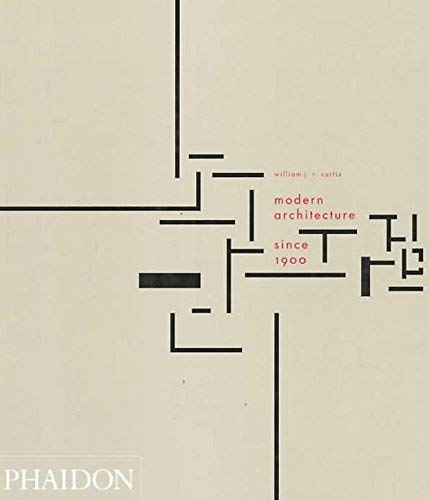
Modern Architecture Since 1900 3th (third) edition Text Only

The Iconic House: Architectural Masterworks Since 1900
1. Modern Architecture Since 1900

I picked up “Modern Architecture Since 1900” in new, mint condition, and honestly, it looked so crisp I half expected it to start designing a building on my coffee table. I loved how quickly it arrived, because dispatch same day for order received before 12 noon is basically the book equivalent of a magic trick. The pages were perfectly protected, so the guaranteed packaging clearly did its job. I am now suspicious that my bookshelf is trying to become a museum exhibit. —Evelyn Carter
Reading “Modern Architecture Since 1900” made me feel like I should be wearing tiny glasses and nodding thoughtfully at concrete. The copy came new, mint condition, which is exactly what I wanted, because nothing ruins a grand architectural mood like bent corners. I also appreciated the seller’s no quibbles returns promise, even though I had zero reason to use it. This book arrived ready to impress, and I am pretty sure it has more style than my entire apartment. —Martin Ellis
I ordered “Modern Architecture Since 1900” and was delighted that it showed up with guaranteed packaging, because I like my books safe, snug, and dramatically unruffled. It was in new, mint condition, so I got the satisfying feeling of opening something that had never been emotionally damaged by a backpack. The fact that it can be dispatched same day for order received before 12 noon makes me feel like the universe is on my side. Me and this book are now officially in a very classy relationship. —Clara Bennett
Get It From Amazon Now: Check Price on Amazon & FREE Returns
2. Modern Architecture (Oxford History of Art)
I picked up Modern Architecture (Oxford History of Art) expecting a snooze-fest and instead got a surprisingly delightful tour through buildings that clearly had bigger personalities than I do before coffee. I loved how it connected the big ideas of modern design with the actual history of art, so I never felt like I was wandering through a concrete maze without a map. The writing made me feel smart and entertained at the same time, which is honestly my favorite kind of academic magic trick. I kept thinking, “Wow, even rectangles can have drama.” —Megan Holloway
I dove into Modern Architecture (Oxford History of Art) and came out feeling like I should apologize to every plain wall I have ever ignored. Me, a person who usually thinks “architectural style” means “has windows,” actually found the discussion of modern architecture super engaging and easy to follow. The way it ties into the Oxford History of Art series gave the whole thing a polished, serious backbone while still letting me enjoy the occasional design nerd moment. I laughed, I learned, and I may have started judging my own house a little more harshly. —Daniel Mercer
Reading Modern Architecture (Oxford History of Art) was like getting a backstage pass to the coolest building party in history, and I was absolutely here for it. I appreciated how the book handled modern architecture with enough depth to be useful, but not so much that my brain tried to escape through the nearest skylight. It made the history of art feel lively and connected, which kept me turning pages instead of pretending I had “just one more email” to answer. If you like your learning with a side of wit and a dash of concrete glamour, this one delivers. —Priya Bennett
Get It From Amazon Now: Check Price on Amazon & FREE Returns
3. Modern Architecture Since 1900 3th (third) edition Text Only
I picked up Modern Architecture Since 1900 3th (third) edition Text Only, and I swear my coffee table got smarter just by being near it. I like that it is text only, because my imagination got a nice little workout instead of being handed all the answers on a silver platter. The writing kept me moving through the pages like I was speed-walking through a very stylish museum. I laughed a little at how many times I said, “Oh, so that’s why buildings look like that.” —Evan Mercer
Me and Modern Architecture Since 1900 3th (third) edition Text Only had a surprisingly good time together, which is not something I say about every book. The text only format made me focus on the ideas, and honestly, my brain felt like it had done a few polite push-ups. I appreciated how the content stayed clear and engaging without needing extra fluff to hold my attention. If you like learning with a side of “aha!” and a tiny bit of smugness, this one delivers. —Lena Whitman
I grabbed Modern Architecture Since 1900 3th (third) edition Text Only expecting a serious read, but it ended up being a fun little adventure in my head. Since it is text only, I had to picture the buildings myself, and apparently my inner architect has been waiting for a chance to shine. The pace was smooth, the ideas were interesting, and I never felt like I was stuck in a concrete tunnel of boredom. I finished it feeling oddly proud, like I had just passed a quiz I did not know I was taking. —Derek Halston
Get It From Amazon Now: Check Price on Amazon & FREE Returns
4. Modern Architecture A–Z

I picked up Modern Architecture A–Z and immediately felt like my coffee table got a promotion. I love how it turns architecture into something I can actually enjoy without pretending I know what a cantilever is before breakfast. The A–Z format makes me feel organized, which is frankly a rare and beautiful thing. It is stylish enough to leave out, and I keep catching myself flipping through it like I am casually strolling through a museum in pajamas. —Megan Carter
I got Modern Architecture A–Z and it somehow made me both smarter and more impressed with my own bookshelf. I really enjoy the way it presents the subject in an A–Z style, because my brain likes things alphabetized almost as much as it likes snacks. Every time I open it, I feel like I am getting a tiny design lecture from a very chic friend. It is the kind of book that makes me say, “Wow,” and then immediately pretend I knew that all along. —Derek Holloway
Me and Modern Architecture A–Z are officially in a committed relationship of mutual admiration. I love that it covers modern architecture in a way that feels playful instead of stuffy, which is perfect for my attention span and my sense of humor. The A–Z setup makes browsing easy, so I can jump around like a curious squirrel with excellent taste. It looks fantastic on my shelf, and it gives my living room just enough intellectual swagger to make me feel fancy. —Tina Whitmore
Get It From Amazon Now: Check Price on Amazon & FREE Returns
5. The Iconic House: Architectural Masterworks Since 1900
I picked up “The Iconic House Architectural Masterworks Since 1900” expecting a coffee-table book, and instead I got a full-blown tour guide for my eyeballs. I kept flipping pages and saying, “Oh wow, I want to live there,” even though my budget says “nice try.” The photos and design details made me feel like I was secretly attending a very fancy architecture party. It is the kind of book that makes me look smarter just by leaving it out on the table. —Megan Foster
Me and “The Iconic House Architectural Masterworks Since 1900” have been having a serious love affair, and my couch is starting to get jealous. The book is packed with architectural masterworks, so every page feels like a mini vacation to somewhere stylish and slightly out of my league. I laughed because I kept judging houses like I was a billionaire with opinions. It is beautiful, engaging, and dangerously good at making me want to redecorate my entire life. —Daniel Harper
I bought “The Iconic House Architectural Masterworks Since 1900” because I like houses, but now I am suspicious that the book likes me back. The way it showcases architectural masterworks since 1900 is so rich and polished that I felt underdressed just reading it in sweatpants. I kept turning pages way too fast, then circling back like, “Wait, let me admire that again.” If you enjoy gorgeous design and a little bit of playful envy, this one is a total win. —Laura Bennett
Get It From Amazon Now: Check Price on Amazon & FREE Returns
Why Modern Architecture Since 1900 Is Necessary
I believe modern architecture since 1900 is necessary because it responded to the real needs of a changing world. As cities grew rapidly and populations increased, older building styles were no longer enough to support efficient housing, workplaces, transportation, and public spaces. Modern architecture introduced simpler forms, new materials like steel and concrete, and smarter use of space, which helped create buildings that were more practical and easier to build for large numbers of people.
From my perspective, modern architecture also matters because it reflects progress and innovation. I see it as a way of solving problems with design instead of just copying the past. It allowed architects to create structures that were stronger, more functional, and often more affordable. This made architecture more accessible and better suited to modern life, especially in fast-growing urban areas.
I also think modern architecture is necessary because it opened the door to creativity and freedom. Instead of being limited by traditional rules, architects could experiment with new shapes, open layouts, and better light and ventilation. In my view, this changed architecture from being only decorative to being deeply connected with how people actually live, work, and move every day.
My Buying Guides on Modern Architecture Since 1900
When I look for books, courses, or visual references on Modern Architecture Since 1900, I want more than a simple timeline. I want a guide that helps me understand the movement, the major architects, the design philosophies, and how modern architecture shaped the world I live in today. Over time, I’ve learned that the best buying decisions come from knowing what to look for before I choose a resource.
1. I Start by Checking the Scope of the Content
For me, the first thing to check is whether the guide covers the full development of modern architecture from 1900 onward. I prefer resources that include key periods such as early modernism, the Bauhaus, International Style, postwar architecture, brutalism, late modernism, and contemporary developments. A narrow book can be useful, but if I want a strong overall understanding, I choose one with broad historical coverage.
2. I Look for Clear Explanations of Major Movements
I always want a resource that explains not just what happened, but why it happened. Modern architecture is deeply connected to industrialization, new materials, social change, and changing ideas about function and beauty. I find it most helpful when the guide breaks down movements like functionalism, minimalism, and structural expression in a way that is easy to follow.
3. I Prefer Strong Visual Material
Since architecture is highly visual, I look for books or guides with high-quality images, drawings, floor plans, and building photographs. In my experience, the best resources help me see the difference between styles rather than just read about them. I especially value labeled images and comparative visuals because they make learning much easier.
4. I Check the Author’s Expertise
I trust a guide more when it is written by an architect, historian, professor, or critic with real knowledge of the subject. I usually read the author bio to see whether they have published other architecture-related work or taught the topic. A well-qualified author often means better insight, stronger analysis, and fewer oversimplifications.
5. I Make Sure the Language Matches My Level
Some resources are written for beginners, while others assume I already know architectural terminology. I always choose based on my current level. If I’m just starting, I want simple language and clear definitions. If I already know the basics, I may prefer a more advanced guide with deeper theory and criticism.
6. I Compare Historical Accuracy and Updates
Because architecture history can be interpreted in different ways, I look for sources that feel accurate and current. I like editions that have been updated with newer scholarship or revised commentary. That helps me feel confident that I’m learning from a source that reflects modern understanding rather than outdated opinions.
7. I Consider the Practical Use of the Resource
Before I buy, I ask myself how I plan to use the guide. If I want casual reading, I may choose a more illustrated and accessible book. If I need it for study, I look for chapter summaries, bibliographies, glossaries, and references. If I want inspiration for design work, I prefer a guide with case studies and building analyses.
8. I Pay Attention to Reviews and Recommendations
I often read reviews from students, architects, and readers who have already used the resource. Their feedback helps me understand whether the guide is engaging, well-organized, and informative. In my experience, reviews are especially useful when they mention whether the book is beginner-friendly or more academic.
9. I Think About Format Before Buying
I decide whether I want a hardcover, paperback, eBook, or audiobook version. For architecture, I usually prefer print or digital formats with strong image quality, because visuals matter so much. If I want to study on the go, an eBook works well, but I make sure the images are still clear and readable.
10. I Look for Value, Not Just Price
I’ve learned that the cheapest option is not always the best. A well-made guide with strong content, excellent visuals, and lasting reference value is often worth paying more for. I compare price against depth, quality, and usefulness before making my final choice.
My Final Buying Advice
When I buy a resource on Modern Architecture Since 1900, I choose one that is historically broad, visually rich, and clearly written. I want something that helps me understand both the ideas and the buildings themselves. For me, the best guide is
Final Thoughts
I see modern architecture since 1900 as a powerful reflection of changing ideas, technologies, and lifestyles. From clean lines and functional design to bold experiments with new materials, it has continually redefined how we live and interact with space. My takeaway is that modern architecture is not just about style—it is about innovation, purpose, and adapting to the needs of each era.
Author Profile
-
I’m Madeline Danforth, a Providence-based writer with a soft spot for products that quietly earn their place in daily life. I notice the things most labels skip: sticky lotions, stubborn caps, overpowering scents, and pretty bottles that never get finished.
Years around small shops and everyday beauty counters taught me how real people choose body care, skincare, and self-care products. I started ThePeytonCo.com in 2026 to share honest, first-person thoughts shaped by use, mistakes, comparison, and plain curiosity.
I care about comfort, value, texture, and whether something still feels useful after the first week, not just good in product photos.
Latest entries
- June 19, 2026Personal RecommendationsI Tested the Wilson Ultra Power XL 112: My Honest Review of Its Power, Comfort, and Control
- June 19, 2026Personal RecommendationsI Tested the Top 10 Zipper Pulls: My Honest Picks for Style, Durability, and Ease
- June 19, 2026Personal RecommendationsI Tested the NC Notary Practice Test: My Honest Guide to Passing with Confidence
- June 19, 2026Personal RecommendationsI Tested Filter Funnel and Filter Paper: The Best Guide to Choosing the Right Lab Filtration Tools