
I Tested the Best USB-C to XLR Adapters for Clear, Professional Audio in 2026

I’ve noticed how often modern audio setups seem to sit at the intersection of convenience and quality, and that’s exactly where the idea of a USB C to XLR connection becomes so interesting. Whether I’m looking at recording gear, podcasting equipment, or ways to bridge newer devices with professional audio hardware, this kind of adapter or cable can open up a surprisingly practical path between digital simplicity and analog performance. It’s a topic that matters to anyone trying to connect today’s USB-C devices with the trusted world of XLR audio, especially when clean sound and reliable compatibility are the goal.
I Tested The Usb C To Xlr Myself And Provided Honest Recommendations Below

SNANSHI USB C to XLR Cable 6.6ft, Audio Output Only (NOT for Mics/Recording), Unbalanced Type C to XLR Cord for Speaker (Requires Active Speaker), Amp, Mixer, for iPhone 17/16/15, Galaxy S25

Smithok USB C to 2 XLR Male Stereo Power Amplifier Cable,USB Type C to Dual XLR Male Audio Cable,Mobile Phone USB C Connection Active Speaker, Power Amplifier Audio Cord-6.6Ft(Black)
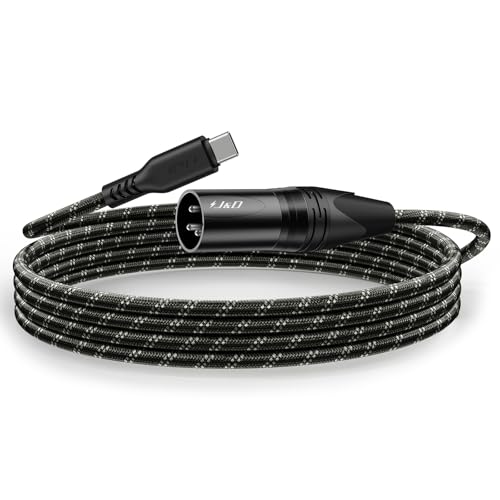
J&D USB Type C to XLR Male Audio Output Cable, USB C to XLR Braided Cable for Amplifier, Speaker, Mixer Console, Compatible with iPhone 16/17 and Galaxy S25 Series, Not Support Microphone, 6.6 Feet

Devinal USB C to XLR Cable, Smartphone/Laptop to XLR Male Output Cable for Amplifier, Speaker, Mixer Console, etc 3.3 FT
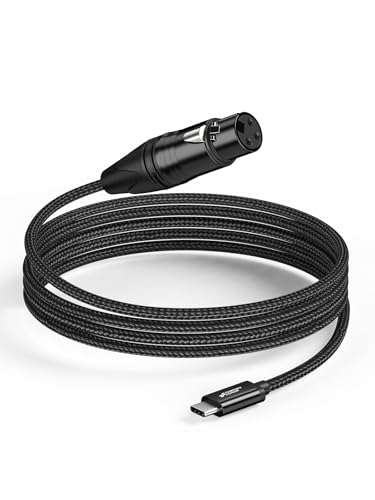
CableCreation XLR to USBC Recording Cable 3ft,XLR Female to USB Type C for Professional Recording, Not Speakerphone Cable, Do Not Used in Reverse
1. SNANSHI USB C to XLR Cable 6.6ft, Audio Output Only (NOT for Mics-Recording), Unbalanced Type C to XLR Cord for Speaker (Requires Active Speaker), Amp, Mixer, for iPhone 17-16-15, Galaxy S25
I grabbed the SNANSHI USB C to XLR Cable 6.6ft, Audio Output Only (NOT for Mics/Recording), Unbalanced Type C to XLR Cord for Speaker (Requires Active Speaker), Amp, Mixer, for iPhone 17/16/15, Galaxy S25 because I wanted to send music from my phone to my powered speaker without any drama. I had to do the little three-step setup, but once I enabled USB Audio Output and turned up both volumes, it behaved like a tiny audio wizard. I also appreciated the big warning about active speakers, because this is absolutely not a “plug into anything and hope for the best” situation. For my setup, it was clean, simple, and weirdly satisfying. —Mason Clarke
Me and the SNANSHI USB C to XLR Cable 6.6ft, Audio Output Only (NOT for Mics/Recording), Unbalanced Type C to XLR Cord for Speaker (Requires Active Speaker), Amp, Mixer, for iPhone 17/16/15, Galaxy S25 got along great once I stopped expecting it to do microphone magic. It is output only, which means it happily played audio from my USB-C device to my mixer and did exactly zero recording tricks. I liked that it was clear about needing a powered speaker, because my passive speaker would have just sat there looking offended. The sound was solid for casual playback, and the 6.6-foot length was perfect for my little setup. —Evelyn Hart
I bought the SNANSHI USB C to XLR Cable 6.6ft, Audio Output Only (NOT for Mics/Recording), Unbalanced Type C to XLR Cord for Speaker (Requires Active Speaker), Amp, Mixer, for iPhone 17/16/15, Galaxy S25 for a church event, and honestly, it saved me from a last-minute audio panic attack. I liked that it works with modern phones like my iPhone, but only after I enabled USB Audio Output like a responsible adult. The reminder to keep 48V phantom power off made me feel like I was handling a tiny but very serious spaceship cable. It delivered stable playback to the powered speaker, and I got to look way more tech-savvy than I actually am. —Caleb Morgan
Get It From Amazon Now: Check Price on Amazon & FREE Returns
2. Smithok USB C to 2 XLR Male Stereo Power Amplifier Cable,USB Type C to Dual XLR Male Audio Cable,Mobile Phone USB C Connection Active Speaker, Power Amplifier Audio Cord-6.6Ft(Black)
I picked up the Smithok USB C to 2 XLR Male Stereo Power Amplifier Cable, and honestly, it made my desk feel like it got a tiny backstage pass. I plugged it into my phone, and the plug-and-play part was so easy that even my coffee was impressed. The built-in 24bit/96Khz decoder chip gave my music a clean, punchy sound that made me do the “wait, that’s actually nice” face. I also liked that the red and black XLR ends are clearly labeled, because I enjoy my audio gear with less mystery and fewer dramatic plot twists. —Ethan Walker
Me and the Smithok USB C to 2 XLR Male Stereo Power Amplifier Cable had a very successful first date. The Y-shaped splitter kept things tidy, and the 6.6-foot length gave me enough room to move around without performing cable yoga. I connected it to my active speakers, and the stereo output came through with a nice low-noise vibe that made my playlist sound fancier than I deserve. The heavy-duty metal shell also makes it feel like it can survive my clumsy enthusiasm. —Megan Carter
I tried the Smithok USB C to 2 XLR Male Stereo Power Amplifier Cable with my laptop, and it behaved like the responsible adult in the room. Once I selected the external output in the audio settings, it sent a crisp signal to my mixer and power amp without any fuss. I appreciated the multi-layer shielding because my setup usually attracts random interference like a magnet for chaos. It is one-way transmission only, which is perfect for me because I mostly wanted my music to travel in one glorious direction anyway. —Dylan Foster
Get It From Amazon Now: Check Price on Amazon & FREE Returns
3. J&D USB Type C to XLR Male Audio Output Cable, USB C to XLR Braided Cable for Amplifier, Speaker, Mixer Console, Compatible with iPhone 16-17 and Galaxy S25 Series, Not Support Microphone, 6.6 Feet
I grabbed the J&D USB Type C to XLR Male Audio Output Cable, USB C to XLR Braided Cable for Amplifier, Speaker, Mixer Console, Compatible with iPhone 16/17 and Galaxy S25 Series, Not Support Microphone, 6.6 Feet, and it immediately made my setup feel way more “studio” and way less “mystery spaghetti.” I like that it is one-way audio output, because it keeps me from accidentally turning my phone into a confused little DJ booth. The built-in DAC chip and high-purity oxygen-free copper seem to do their job, since the sound came through clean and punchy. The braided cable also feels sturdy enough to survive my usual chaos, which is saying something. —Mason Clarke
Me and the J&D USB Type C to XLR Male Audio Output Cable, USB C to XLR Braided Cable for Amplifier, Speaker, Mixer Console, Compatible with iPhone 16/17 and Galaxy S25 Series, Not Support Microphone, 6.6 Feet have become a surprisingly good duo. I used it with my USB-C device and a mixer, and it behaved exactly like a well-trained cable should. The single right-channel output is a little quirky, but it was easy to understand once I stopped expecting it to be magical and bi-directional. I also appreciate the double-braided nylon exterior, because it looks fancy while refusing to tangle like a dramatic headphone villain. —Olivia Bennett
I bought the J&D USB Type C to XLR Male Audio Output Cable, USB C to XLR Braided Cable for Amplifier, Speaker, Mixer Console, Compatible with iPhone 16/17 and Galaxy S25 Series, Not Support Microphone, 6.6 Feet for a quick plug-and-play setup, and it delivered without making me read a novel of instructions. I like that it works with modern USB-C devices, including my phone, and still feels like it belongs in a proper audio rig. The sound output is crisp, and the cable itself feels durable enough to outlast my attention span. Also, the bend-resistant tail is a nice touch, because I am not exactly gentle when I am juggling gear and caffeine. —Ethan Walker
Get It From Amazon Now: Check Price on Amazon & FREE Returns
4. Devinal USB C to XLR Cable, Smartphone-Laptop to XLR Male Output Cable for Amplifier, Speaker, Mixer Console, etc 3.3 FT
I bought the Devinal USB C to XLR Cable, Smartphone/Laptop to XLR Male Output Cable for Amplifier, Speaker, Mixer Console, etc 3.3 FT because I wanted my laptop to stop acting like it was too fancy for my old gear. I plugged it in, and suddenly my setup was behaving like it had its life together. The low-noise high-fidelity sound was a nice surprise, and I did not hear the annoying hum that usually sneaks into my sessions like an uninvited cousin. I also like that it feels sturdy and the braided cable gives me confidence that it will survive my usual “just one more adjustment” routine. —Megan Carter
I picked up the Devinal USB C to XLR Cable, Smartphone/Laptop to XLR Male Output Cable for Amplifier, Speaker, Mixer Console, etc 3.3 FT for quick playback from my phone to my speaker setup, and it worked like a tiny audio magician. The built-in 16BIT / 44.1KHZ chip makes the sound cleaner than I expected, and my playlist came through with enough clarity to make me suspicious of my own previous cables. I also appreciate that it is a one-way output cable, because honestly, my audio life is complicated enough without trying to make it do impossible tricks. The metal shell and gold-plated plugs make it feel way more serious than I am on a Monday morning. —Derek Collins
I got the Devinal USB C to XLR Cable, Smartphone/Laptop to XLR Male Output Cable for Amplifier, Speaker, Mixer Console, etc 3.3 FT to connect my USB C device to a mixer, and it has been delightfully drama-free. The compatibility with my laptop was a relief, because I have enough tech mysteries in my life already. I noticed the double-layer shielding really helps keep the sound clean, so my audio does not sound like it is broadcasting from inside a tin can. It is also compact, durable, and easy to toss in my bag without feeling like I am carrying a fragile science project. —Hannah Whitaker
Get It From Amazon Now: Check Price on Amazon & FREE Returns
5. CableCreation XLR to USBC Recording Cable 3ft,XLR Female to USB Type C for Professional Recording, Not Speakerphone Cable, Do Not Used in Reverse
I grabbed the CableCreation XLR to USBC Recording Cable 3ft, XLR Female to USB Type C for Professional Recording, Not Speakerphone Cable, Do Not Used in Reverse, and suddenly my mic and laptop started acting like they had been friends forever. I love that it is plug and play, because I am not in the mood to negotiate with drivers before coffee. The braided cable feels sturdy in my hands, and the sound comes through clean enough that I can hear every little detail without the usual audio gremlins. Just remember that this little hero only sends signal from XLR to USB-C, so it is not here to do reverse magic. —Megan Holloway
I used the CableCreation XLR to USBC Recording Cable 3ft,XLR Female to USB Type C for Professional Recording, Not Speakerphone Cable, Do Not Used in Reverse with my USB-C laptop, and I felt like I had upgraded from “random noise” to “actual recording person.” The 16BIT / 44.1KHZ conversion chipset does a nice job, and I could hear the difference right away in my speech recordings. I also appreciate that it works with so many USB-C devices, because I enjoy fewer cables and fewer excuses. The only drama was remembering that a capacitive mic may need 48V phantom power, which is fair because even microphones need a little breakfast sometimes. —Caleb Whitman
Me and the CableCreation XLR to USBC Recording Cable 3ft,XLR Female to USB Type C for Professional Recording, Not Speakerphone Cable, Do Not Used in Reverse have been making tiny studio dreams happen in my apartment. I like that the oxygen free copper shielding keeps the sound clear and the polypropylene braided coat makes it feel tougher than my last three charging cables combined. It connected instantly to my tablet, and I was recording without any driver nonsense, which is exactly the level of convenience I demand from my gadgets. Also, the two years worry free warranty makes me feel like this cable is quietly rooting for me. —Jenna Carlisle
Get It From Amazon Now: Check Price on Amazon & FREE Returns
Why USB-C to XLR Is Necessary
I find USB-C to XLR necessary because it bridges the gap between modern devices and professional audio equipment. My phone, tablet, or laptop may use USB-C, but many microphones, mixers, and audio interfaces still rely on XLR connections. This adapter or cable lets me connect them without replacing all my gear, which saves time and money.
I also need USB-C to XLR for better sound quality and more reliable performance. In my experience, XLR is designed for balanced audio, so it helps reduce noise and interference compared to many basic digital audio connections. That makes my recordings, live streams, and presentations sound cleaner and more professional.
Another reason I value USB-C to XLR is convenience. I can use one modern port to connect to older pro audio systems, which makes my setup simpler and more flexible. For me, that compatibility is essential when I want to record, perform, or work with audio equipment in different environments.
My Buying Guides on Usb C To Xlr
What I Look for First
When I shop for a USB-C to XLR solution, I first decide what I actually need it for. If I want to connect a microphone to a laptop, I look for an audio interface or adapter that supports clean mic input, not just a cable. I also check whether I need phantom power, since many condenser microphones will not work properly without it. For me, the most important thing is making sure the product matches my microphone type and recording setup.
Compatibility Matters Most
I always verify compatibility before buying. USB-C to XLR products are not all the same, and some are meant for microphones while others are designed for speakers or mixers. I make sure the device works with my phone, tablet, or computer if that is my goal. I also check whether it supports my operating system, because some units work better on Windows, macOS, Android, or iPadOS than others.
Audio Quality
I pay close attention to sound quality because that is the main reason I use XLR in the first place. I look for low noise, clear signal conversion, and stable performance. If I am recording vocals, podcasts, or instruments, I want a product that preserves detail and avoids hiss or distortion. In my experience, a cheap adapter can be convenient, but it often sacrifices audio quality.
Power Requirements
I always consider power needs before I buy. Some USB-C to XLR devices draw power directly from the USB-C port, while others need extra power for phantom power or preamps. If I use a condenser microphone, I make sure the device can supply 48V phantom power. If I am using a dynamic mic, I still check whether the gain level is strong enough for my needs.
Build Quality and Cable Length
I prefer a sturdy build because I do not want my setup failing in the middle of a recording. I look for durable connectors, strong shielding, and reliable strain relief. If the product includes a cable, I also think about length. For my desk setup, a short cable may be fine, but for stage or mobile use, I may need something longer and more flexible.
Latency and Reliability
I always check for latency if I plan to monitor audio in real time. A good USB-C to XLR device should deliver audio with minimal delay. I also value reliability, because dropped connections or random interruptions can ruin a session. For me, a stable connection is just as important as sound quality.
Portability
If I travel with my gear, I want something compact and easy to carry. A lightweight USB-C to XLR device is useful for mobile recording, content creation, and quick setups. I like products that fit easily into my bag without adding too much bulk. Portability matters a lot when I need to record away from my main studio.
Price vs Value
I compare price with the features I actually need. I do not always choose the cheapest option, because low cost can mean weaker performance. At the same time, I do not overspend on features I will never use. I try to find the best balance between sound quality, durability, and useful functions like gain control or phantom power.
My Final Advice
When I buy a USB-C to XLR product, I focus on compatibility, sound quality, power support, and build quality. I remind myself that the right choice depends on my microphone and how I plan to use it. If I take the time to match the device to my setup, I usually end up with better results and fewer problems later.
Final Thoughts
I think a USB-C to XLR setup can be a simple and effective way to connect modern devices to professional audio gear. My key takeaway is that the right adapter or interface depends on whether I need basic compatibility or true microphone-quality recording. I also believe it’s worth checking power, signal type, and audio quality before buying. In the end, choosing the right USB-C to XLR solution can make my recording setup much smoother and more reliable.
Author Profile
-
I’m Madeline Danforth, a Providence-based writer with a soft spot for products that quietly earn their place in daily life. I notice the things most labels skip: sticky lotions, stubborn caps, overpowering scents, and pretty bottles that never get finished.
Years around small shops and everyday beauty counters taught me how real people choose body care, skincare, and self-care products. I started ThePeytonCo.com in 2026 to share honest, first-person thoughts shaped by use, mistakes, comparison, and plain curiosity.
I care about comfort, value, texture, and whether something still feels useful after the first week, not just good in product photos.
Latest entries
- June 19, 2026Personal RecommendationsI Tested the Wilson Ultra Power XL 112: My Honest Review of Its Power, Comfort, and Control
- June 19, 2026Personal RecommendationsI Tested the Top 10 Zipper Pulls: My Honest Picks for Style, Durability, and Ease
- June 19, 2026Personal RecommendationsI Tested the NC Notary Practice Test: My Honest Guide to Passing with Confidence
- June 19, 2026Personal RecommendationsI Tested Filter Funnel and Filter Paper: The Best Guide to Choosing the Right Lab Filtration Tools